2025: Year in Review
It’s time to look back on the year that’s a quarter of a century deep, and saying quarter of a century now makes me feel old.
The following are my picks for the best and worst Movies, TV Shows, Books, and Video Games that I watched, read, and played in 2025. Just like previous years, this is NOT the best and worst of what was released in 2025, but of what I experienced in 2025. Many of these may have come out years prior, but I just now got around to them.
I’ve also added new categories to each section where I look into the future at what I am most and least looking forward to. And now, drumroll…
MOVIES | TV SHOWS | BOOKS | VIDEO GAMES | EVENT
Movies
BEST
F1
F1 is the rare blockbuster that reminds you why movies made for the biggest screen possible still matter. In 2023, my best film of the year was Top Gun: Maverick, and Joseph Kosinski is quickly becoming solidified as one of the best directors in Hollywood. His command of speed and physical realism turns Formula One racing into pure cinematic adrenaline. Kosinski doesn’t just film action; he makes you feel it in your chest.
More than just a technical flex, F1 is the classic sports drama we’ve been missing. Beneath the roaring engines is a clean, emotionally driven story about legacy, rivalry, and obsession. Timeless themes executed with modern precision. It understands the simple power of competition, mentorship, and personal redemption without drowning them in irony or politics.
Honorable Mentions
Warfare
Very few films in recent years have managed to make you feel like you’re there. It’s almost impressive how uncinematic it is in its presentation, while simultaneously being the most immersive experience of the year. It refuses to “movie-ify” its combat. It’s not designed to entertain in a conventional sense; it’s designed to confront, and that restraint is precisely what makes it so powerful.
Frankenstein
Across the board, the performances are exceptional, with Oscar Isaac delivering a volatile, mesmerizing turn as Victor Frankenstein. He swings between hubris, awe, and crushing regret, perfectly capturing a man intoxicated by his own intellect yet blind to its consequences. Jacob Elordi redefines the Creature as something simultaneously fragile and frightening; a being shaped just as much by yearning as it is by rage. While it is haunting, this is not a monster movie in the traditional sense, it’s one that understands that the original story was never just about horror, it was about tragedy, grief, creation, loneliness, ambition, and the corrosive nature of obsession. It’s a film that is simultaneously chilling and heartbreaking.
WORST
War of the Worlds
The greatest worst movie ever made. Brilliantly idiotic conspiracy-themed subplots. Extraordinarily shameless product placement. Mesmerizingly cheap visual effects. Fantastically cringe writing. Captivatingly bland suspense. Exceptionally stilted performances.
War of the Worlds (2025) is a towering achievement in cinematic failure that deserves to be studied, preserved, and buried in a time capsule.
Dishonorable Mentions
Snow White
Miscast actors, flat musical numbers, a sanitized script, wooden acting, uncanny CGI, Temu-level costume design, pointless characters, unlikeable characters, incoherent editing, tone-deaf messaging, contradictory motivations, disrespectful to the original, and an endless supply of controversies.
Literally everything is wrong with this movie.
Captain America: Brave New World
Given the amount of production issues this movie had, there’s no way it wasn’t going to be a disaster. It was rewritten, reshot, recut, and re-edited into oblivion. At this point, the most compelling version of the movie is whatever it was originally meant to be, because what ultimately reached theaters is a bloated, tedious mess that somehow rivals its own budget in excess. Characters drift in and out without purpose, plot threads lead nowhere, and very little of it holds together in a meaningful way.
Sam Wilson, in particular, suffers from an identity problem the film never resolves. He’s presented as a patchwork of other heroes rather than a fully realized Captain America in his own right. His wings are made from Black Panther’s vibranium, he’s wielding Steve Rogers’ shield, and wearing Ant Man’s helmet.
Compounding its problems, the movie insists on functioning as a sequel to a 17-year-old film many viewers never even considered part of the MCU, while also attempting to patch a plot hole from another entry most people forgot was part of the MCU.
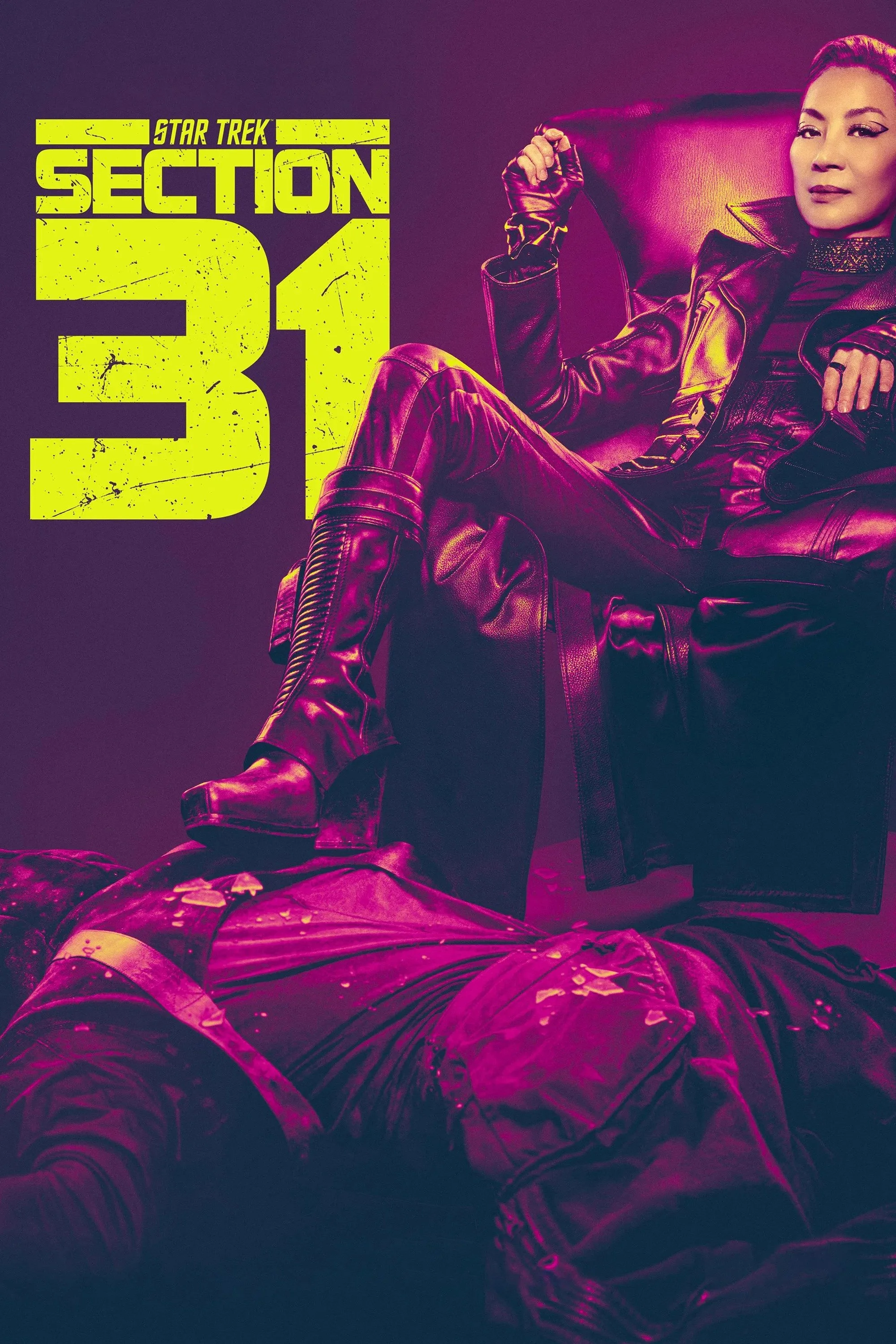
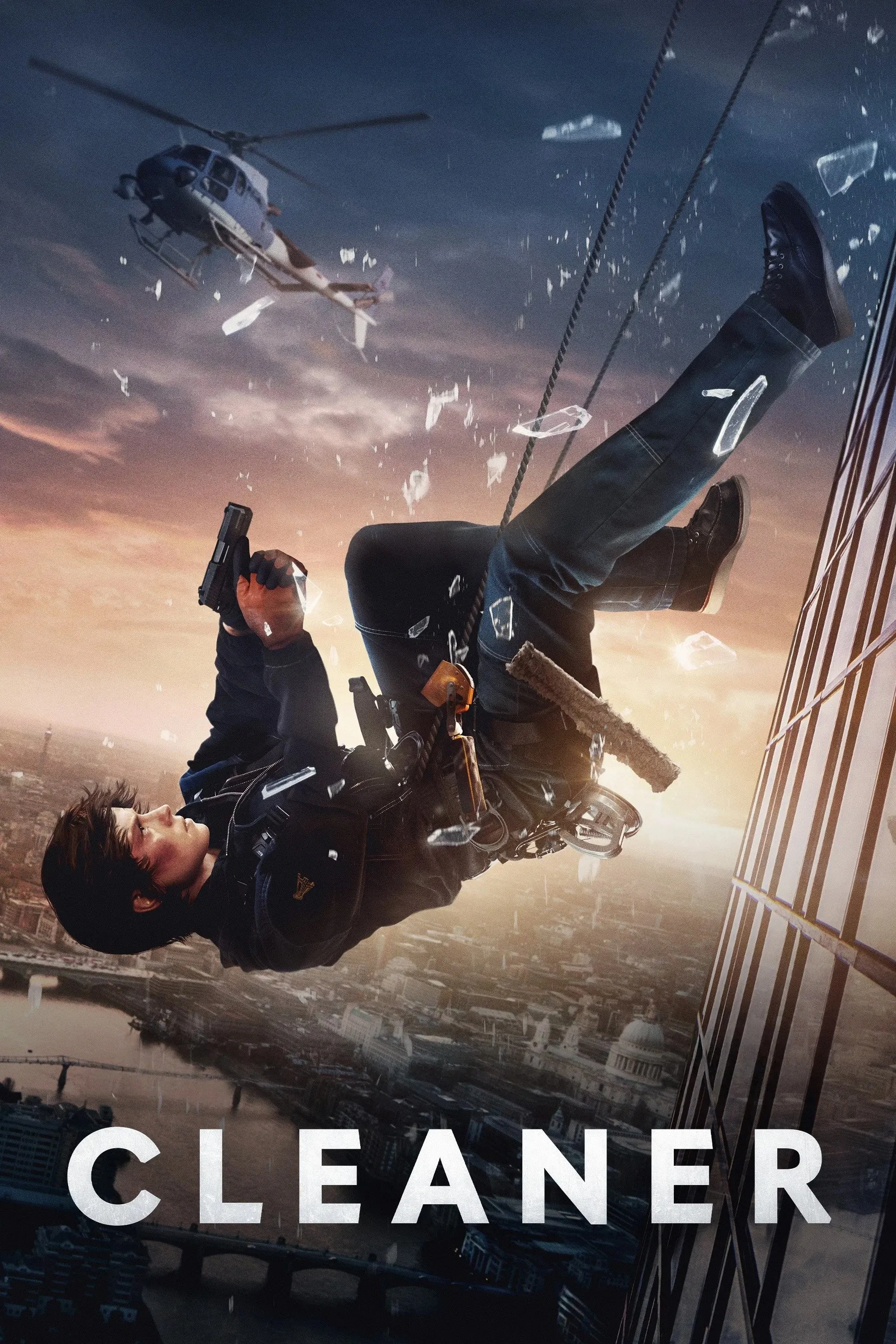
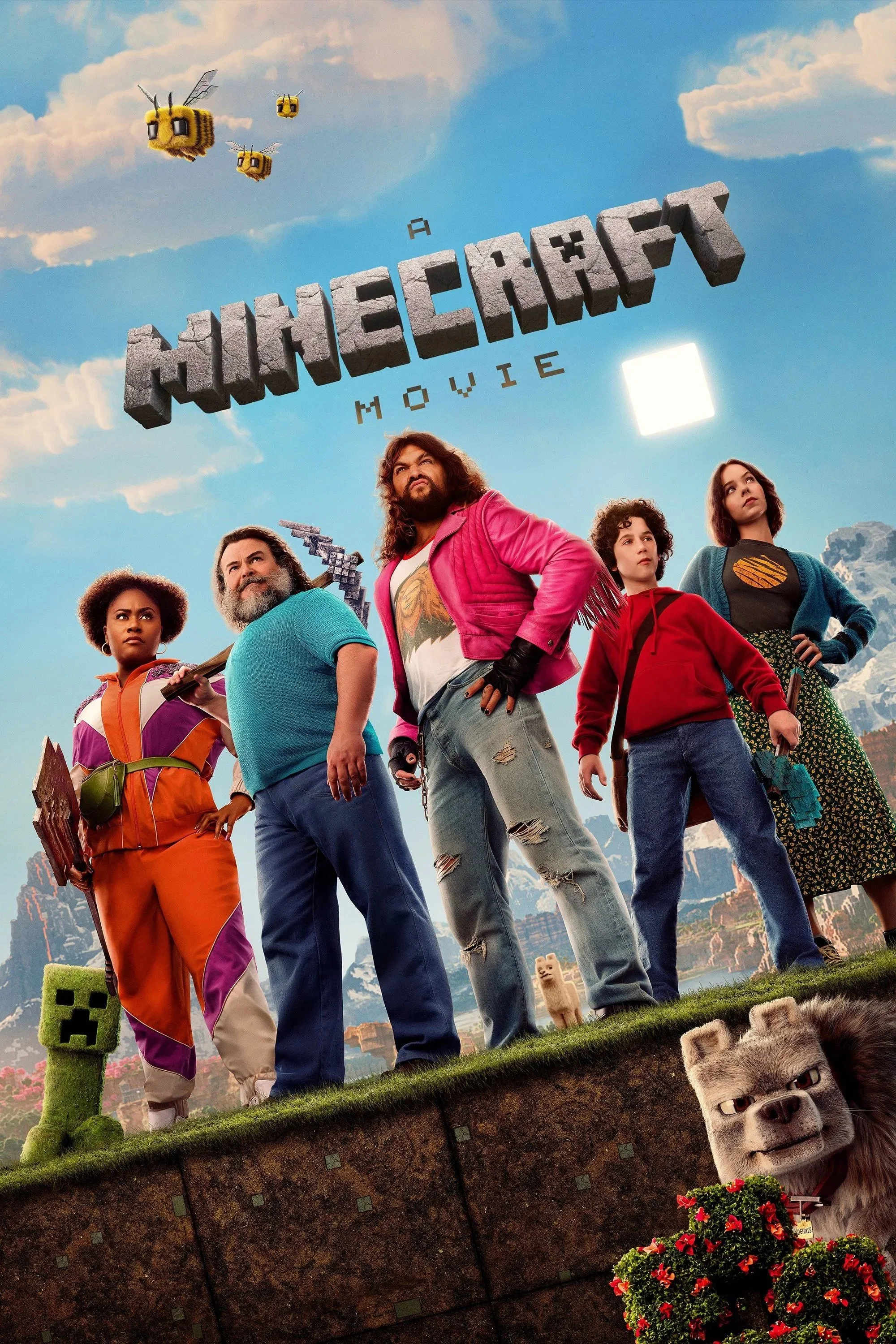
In terms of quality of work, 2025 may be one of the worst years in Hollywood history. Too many bad movies came out this year for me to give each one its own section, so here’s the rest of the dishonorable trash Hollywood dumped on us.
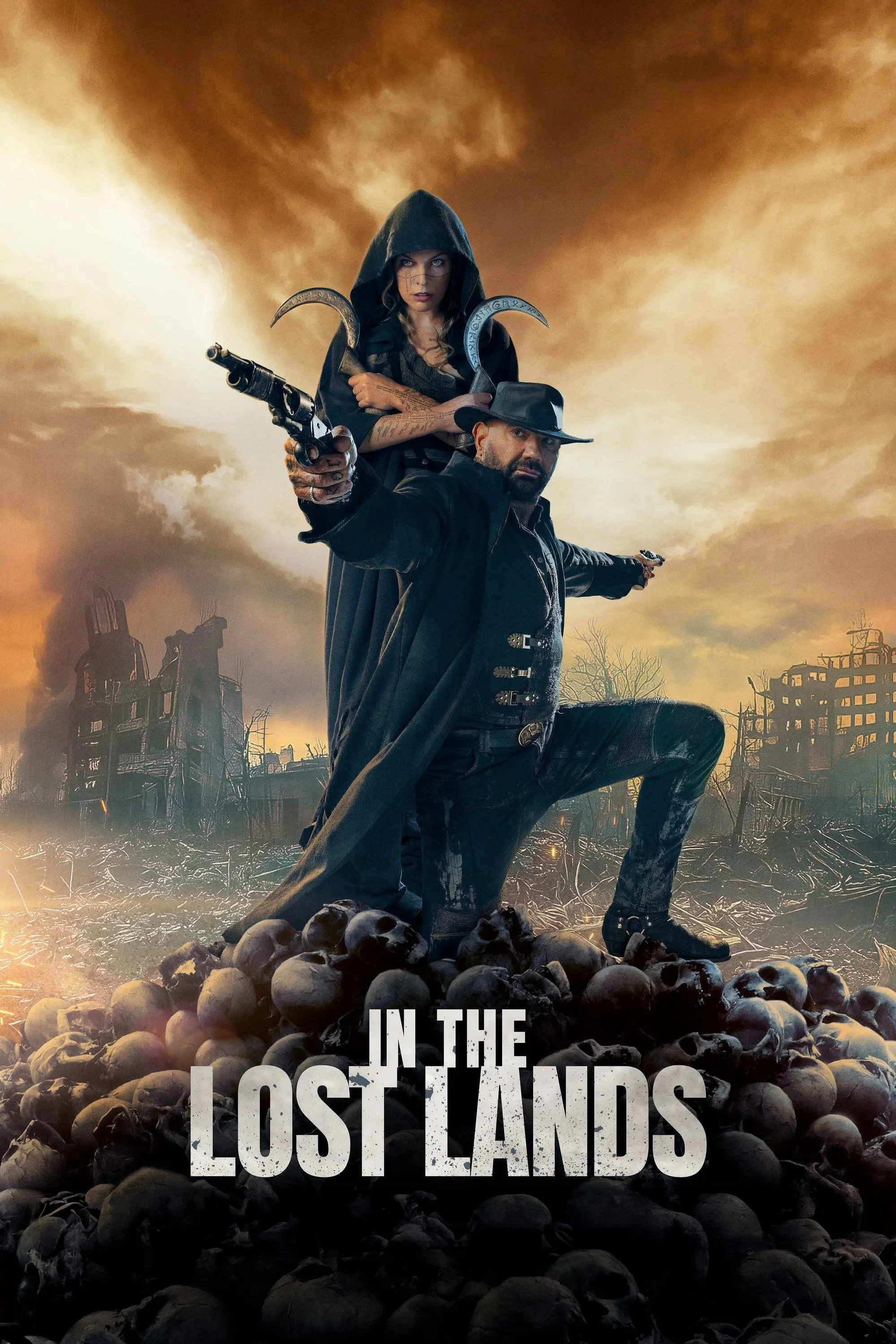
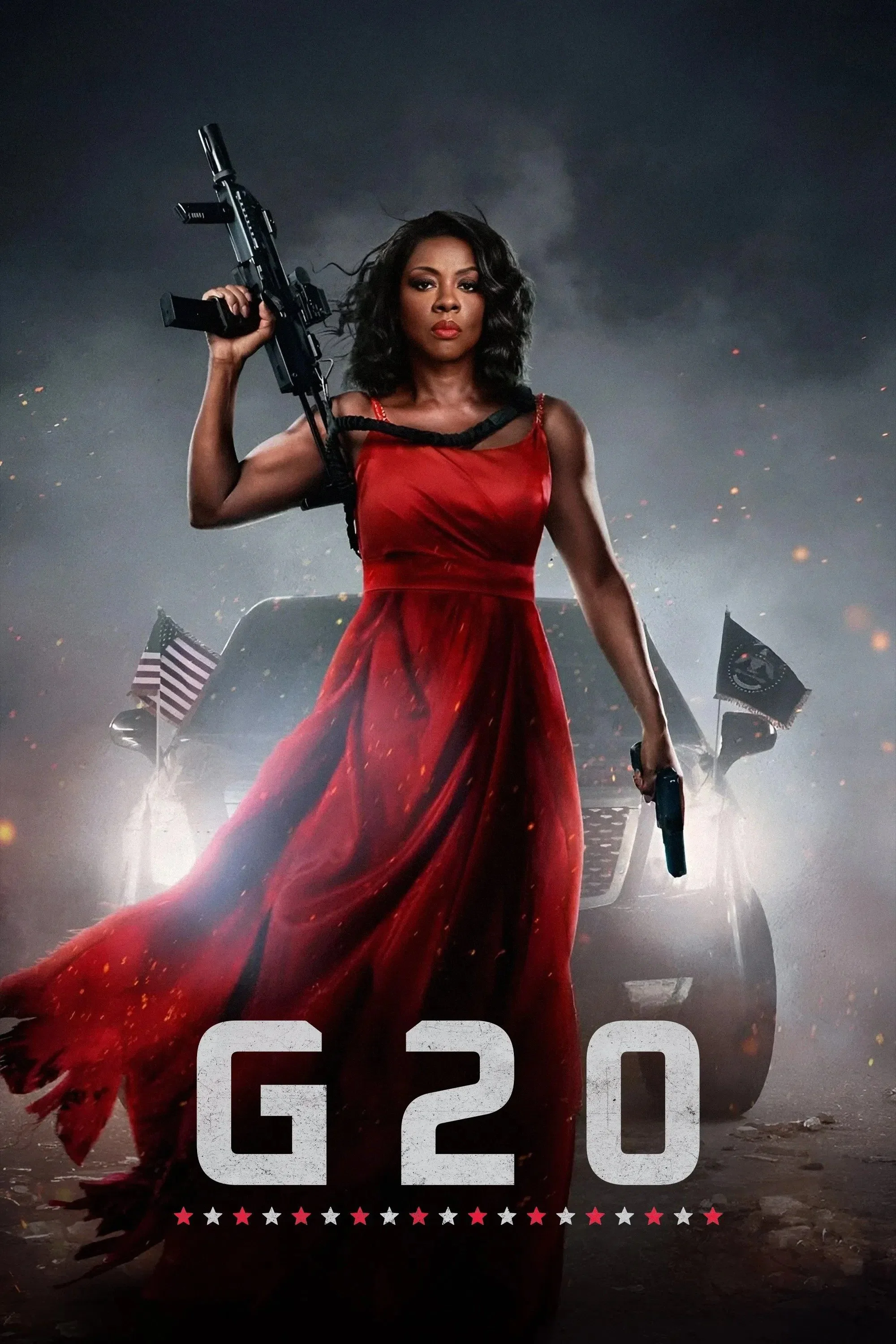
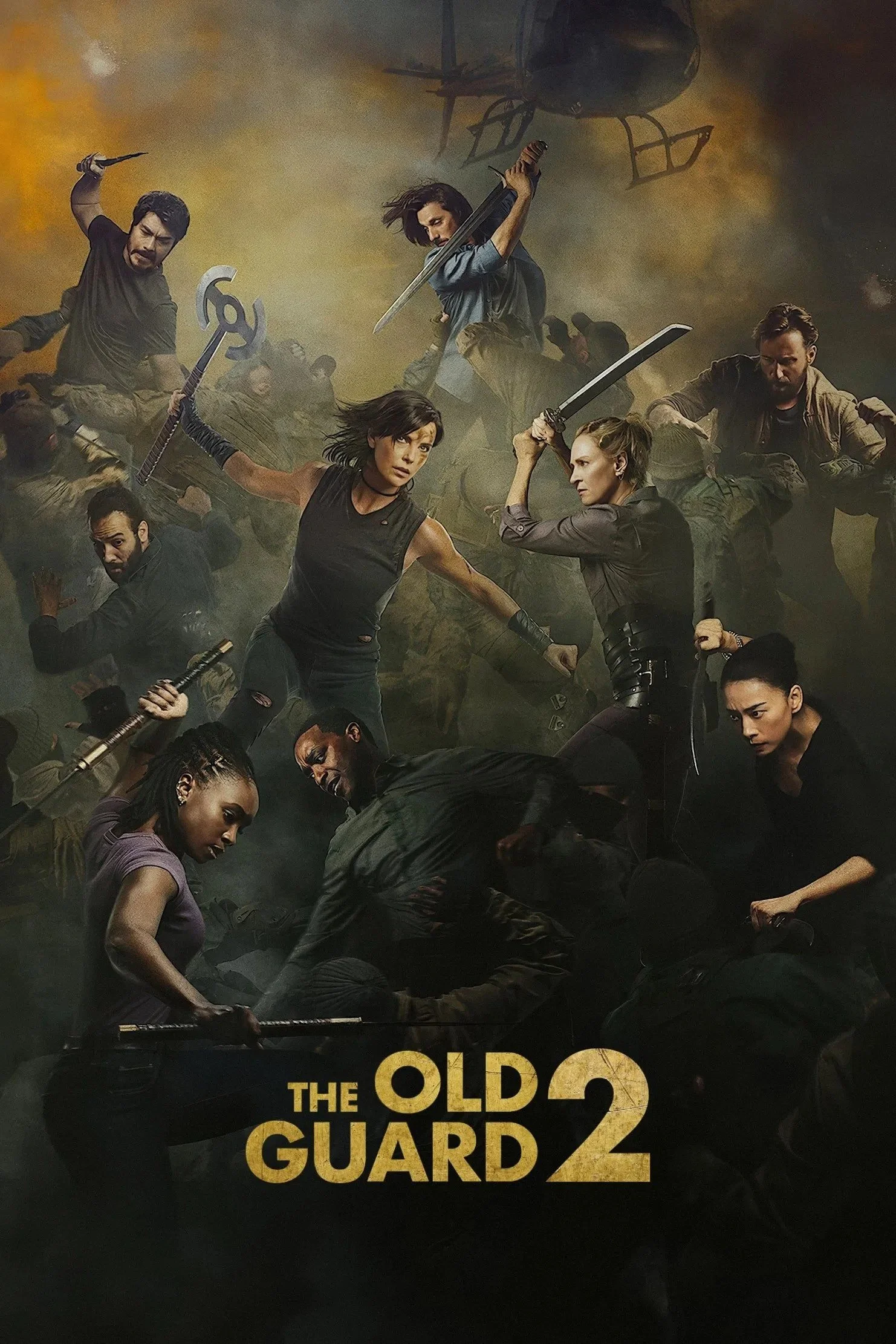
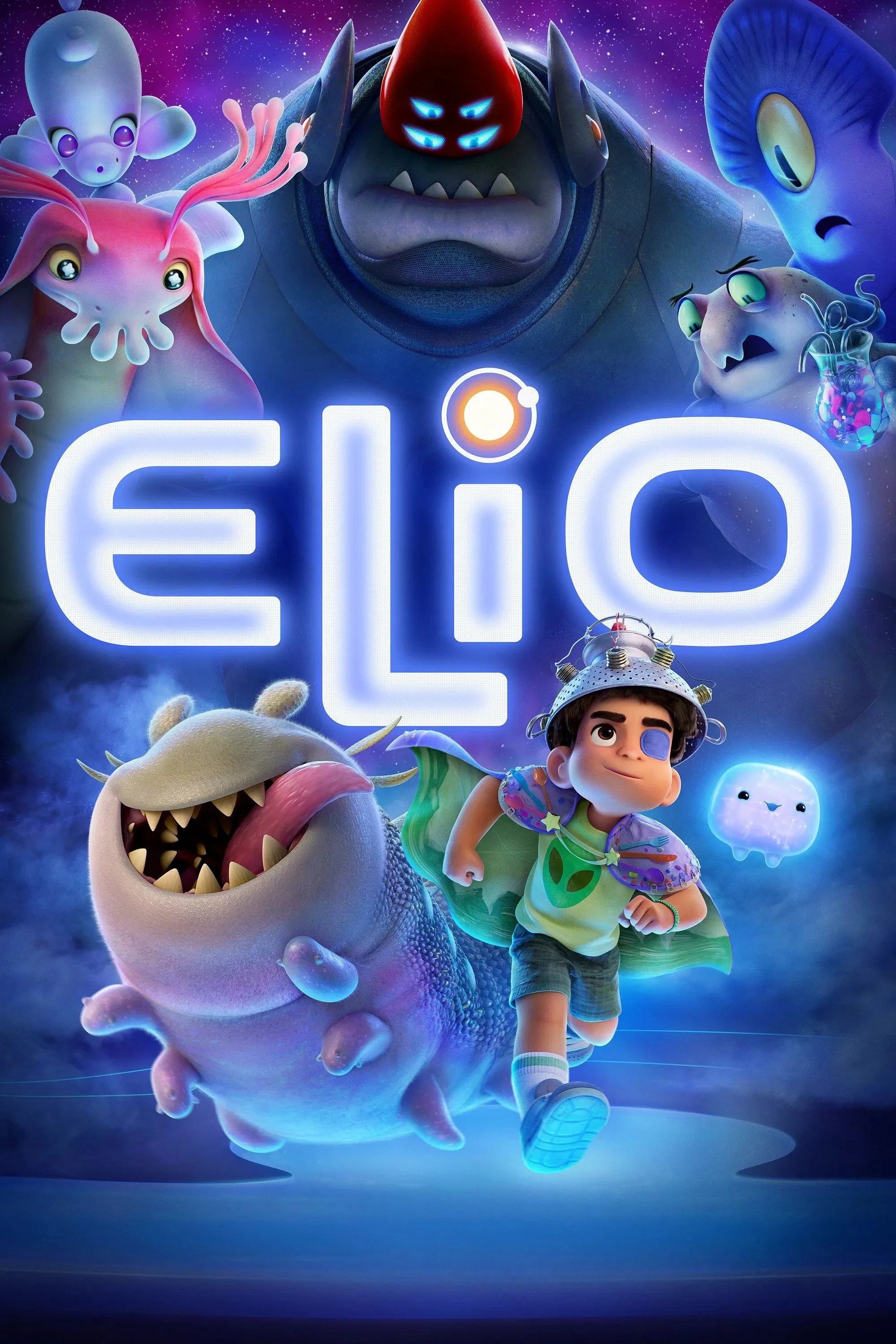
MOST SURPRISING
KPop Demon Hunters
While Disney tried to blame Elio’s failure on audiences supposedly not wanting to support original movies, KPop Demon Hunters quietly showed them How It’s Done.On paper, the concept sounds like algorithm-bait chaos, but the finished film is Golden. It’s funny, visually inventive, and unapologetically sincere, delivering spectacle and personality without ever talking down to its audience. Quite frankly, it’s 1000x better than it has any right to be.
What really elevates the film is how sharply it commits to its own identity. There’s a self-awareness at play that understands exactly What It Sounds Like. The action sequences and musical numbers are executed with purpose and compliment each other rather than gimmicky, and when the story needs to shift gears, it executes the emotional Takedown with surprising effectiveness. In a year full of risk-averse filmmaking, KPop Demon Hunters stands out as proof that originality isn’t the problem.
Honorable Mentions
Sketch
Sketch occupies a rare space that very few films even attempt to reach: a horror movie made for kids that doesn’t underestimate its audience. Beneath its family-friendly exterior, the film confronts heavy themes of loss, grief, and emotional trauma with surprising maturity. Rather than softening those ideas or talking down to its viewers, it treats kids as emotionally intelligent people capable of grappling with complex feelings. At the same time, it taps into that pure, childlike fantasy of going to war with a super soaker, transforming playground imagination into something thrilling and genuinely eerie. The result is a smart, empathetic, and deeply thoughtful film, one that entertains on the surface while quietly offering younger audiences the rare gift of being taken seriously.
The Mitchells vs. The Machines
I know this came out in 2021, but KPop Demon Hunters sparked my interest in Sony Animation’s previous work. The film is surprisingly tightly written, with almost no wasted time; nearly every scene serves a clear purpose, whether it’s advancing the story or deepening the characters. Even moments of foreshadowing still feel purposeful and engaging in the moment, and never come off like an empty setup. Pair that with an animation style that’s wildly over the top yet perfectly matches the film’s energy and themes, and you get a movie that feels chaotic in the best way. It’s inventive and far smarter than it initially appears.
MOST DISAPPOINTING
A House of Dynamite
A House of Dynamite squanders a brilliant opening on a self-indulgent structure. The first act, before the initial perspective shift, is absolutely masterful. It’s classic Kathryn Bigelow at her precise, gripping best, setting high expectations for a taut, thrilling ride. But after that, the film collapses under the weight of its own ambition. The story splinters into excessive, overlapping perspectives, many of which simply replay large portions of what came before with minimal variation. What should feel like layered storytelling quickly becomes redundant and exhausting.
The ending, almost unsatisfying by design, loses its impact even further because the audience has effectively been made to rewatch the same events three or four times. Even with the ambiguous ending, I think the movie would have been far better, and just as engaging, if it had adopted a more linear approach, intercutting perspectives only when necessary. Instead, the layered structure undermines the very tension and momentum that Bigelow establishes so brilliantly in the opening, leaving A House of Dynamite as an ambitious film undone by its own design.
Dishonorable Mentions
The Electric State
The movie that proves the Russo Brothers can’t function without Marvel. It is so mind numbingly boring and tedious to watch, you’ll actively forget what’s happening as you’re watching it. A $320 million overstuffed slog that will make you wonder where all that money went. The CG is average at best and pales in comparison to other films with a fraction of the budget. Even ignoring spectacle, there’s no charisma or heart to its characters or story. The Electric State is more equivalent to “content” than it is a film.
Superman
Superman’s biggest problem is James Gunn. It’s been said many times, but it is worth repeating: James Gunn is a one-trick pony. An oddball crew of likeable misfits, only together out of necessity to take on a common enemy, become a found family through witty dialogue and shared experiences. But what a Superman movie needs is the exact opposite, he’s a lone wolf hero; stoic, calm, and collected. He’s portrayed as whiny and frustrated, gets beat up way too much, and often takes a backseat in his own movie. But it’s ok, because he saved the squirrel.
Mickey 17
From the start, this movie is a slog that fails to justify its runtime. Robert Pattinson’s character is maddeningly slow and oblivious, turning even the simplest developments into tedious exercises. By the time the film tries to land its message about the dangers of fascism, you’re more than likely sobbing with boredom. The movie teases intriguing concepts but never explores them, and Mark Ruffalo’s overhammy acting as a parody of a Trump-esque figure lands flat.
Side Note: The title change to Mickey 17 feels entirely unnecessary. The sixteen previous versions of Mickey are irrelevant to the story, and we never get to know them anyway, making the original title of the book, Mickey 7, perfectly sufficient.
Continuing the theme of 2025 being one of the worst years in Hollywood history, there are once again too many disappointing movies this year for me to give each one its own section, so here’s more dishonorable trash that Hollywood dumped on us.
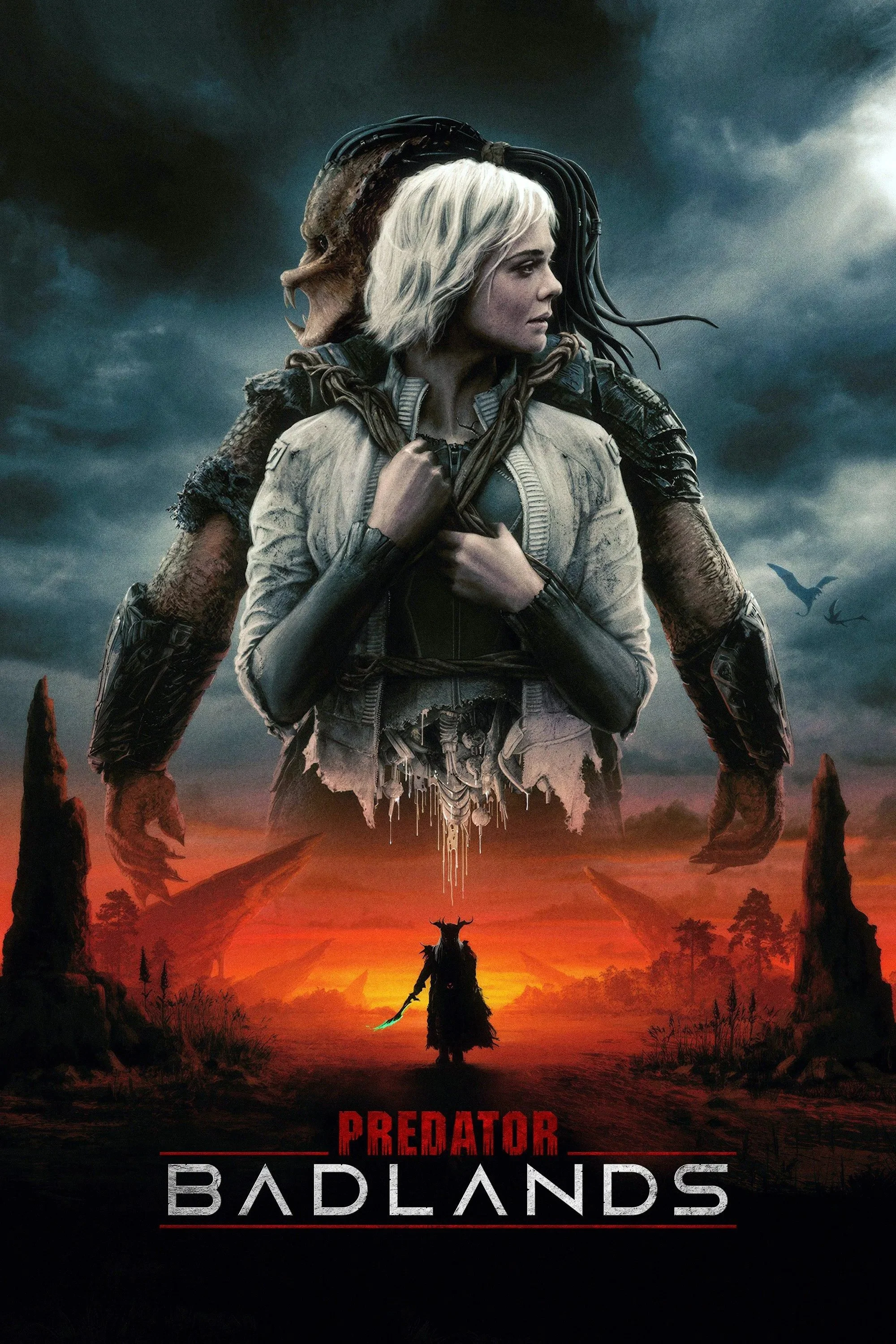
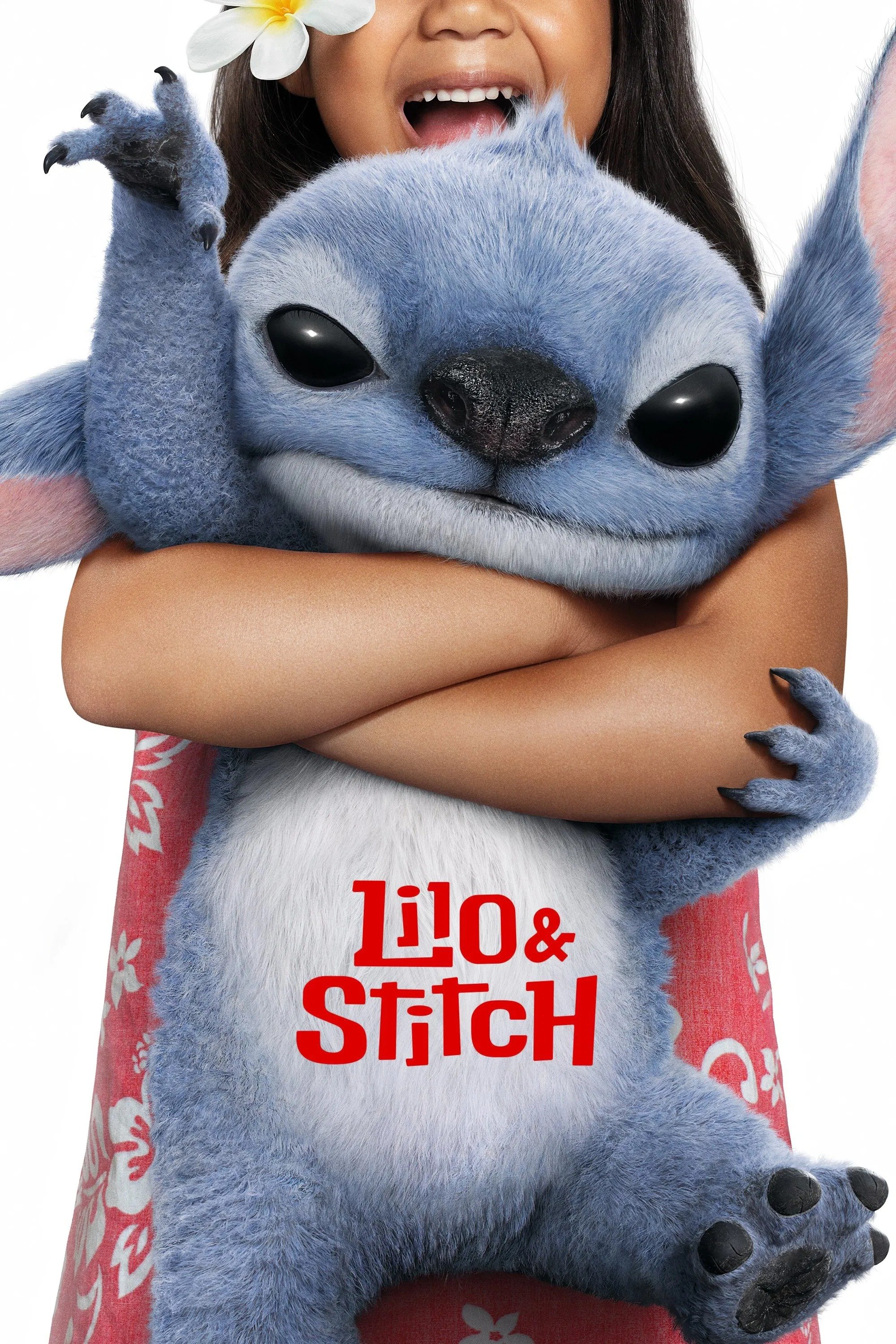
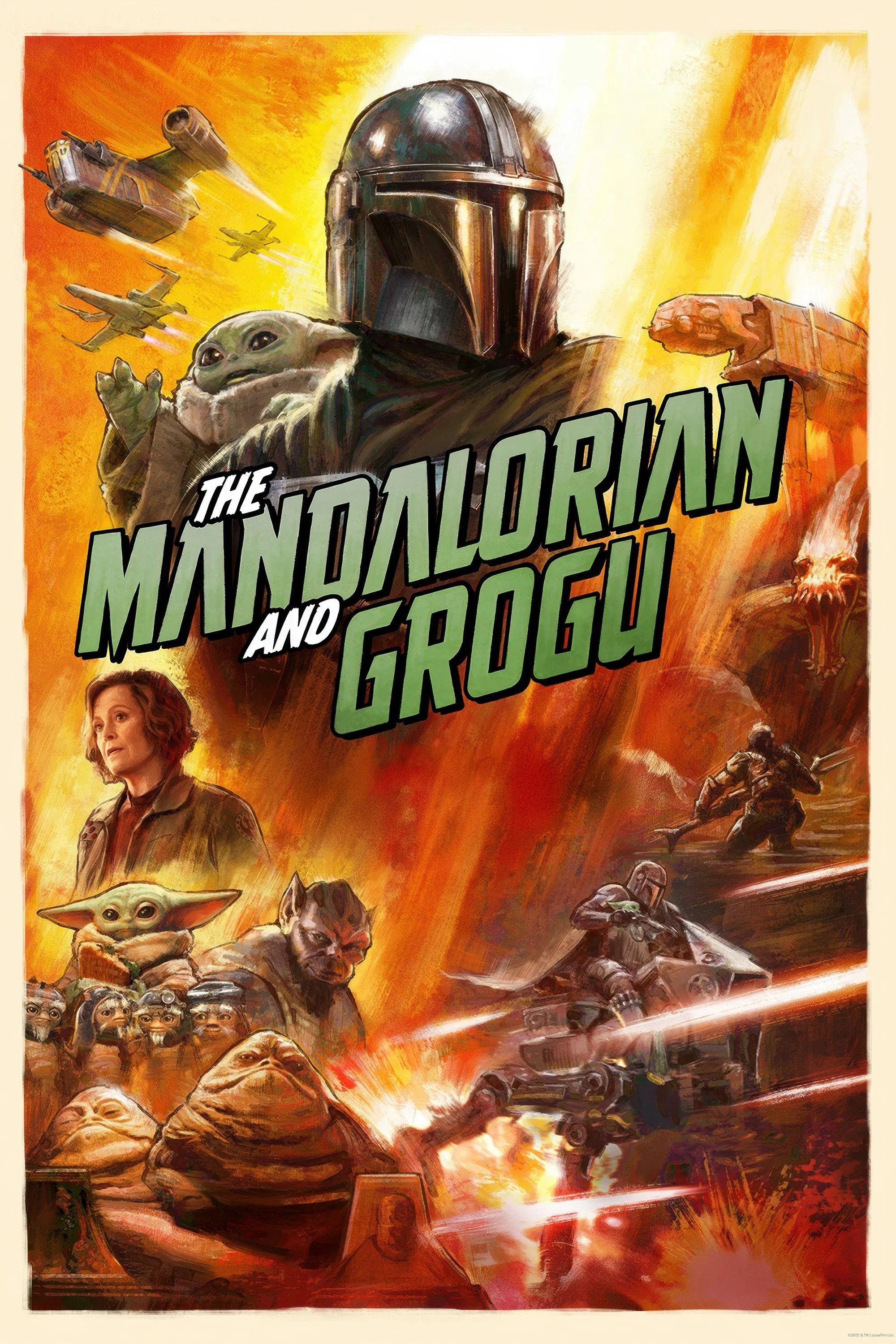
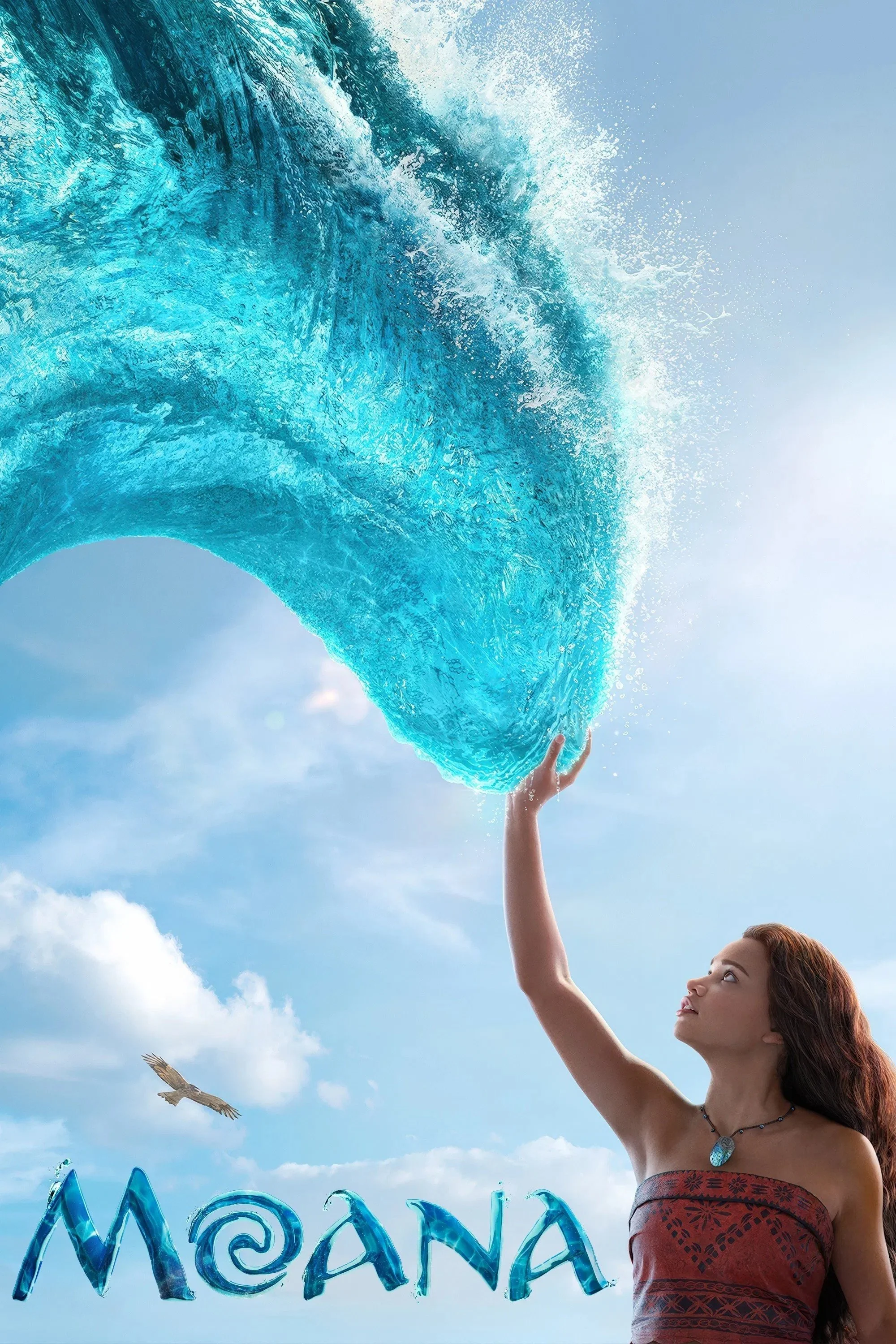
2026: MOST ANTICIPATED
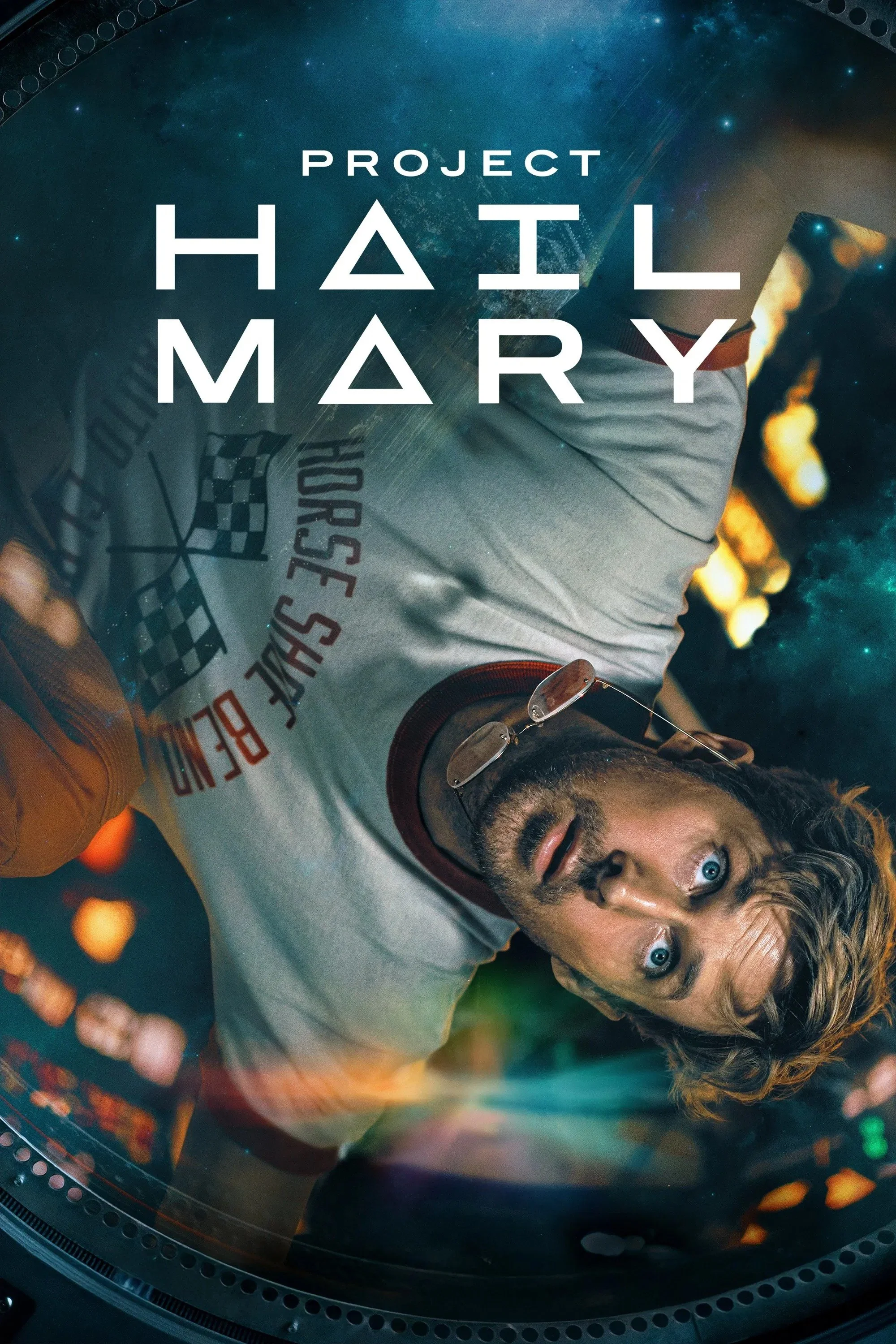
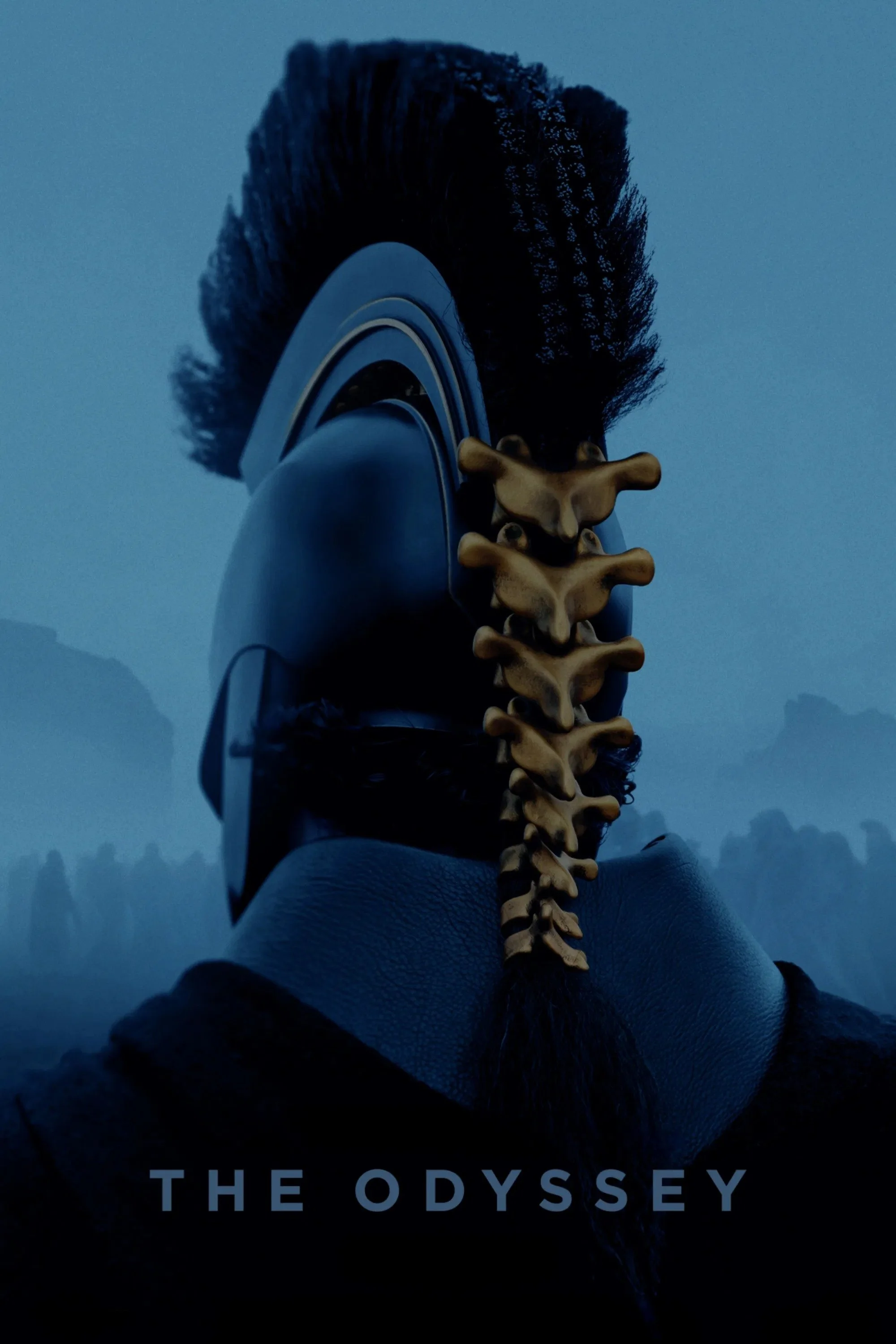
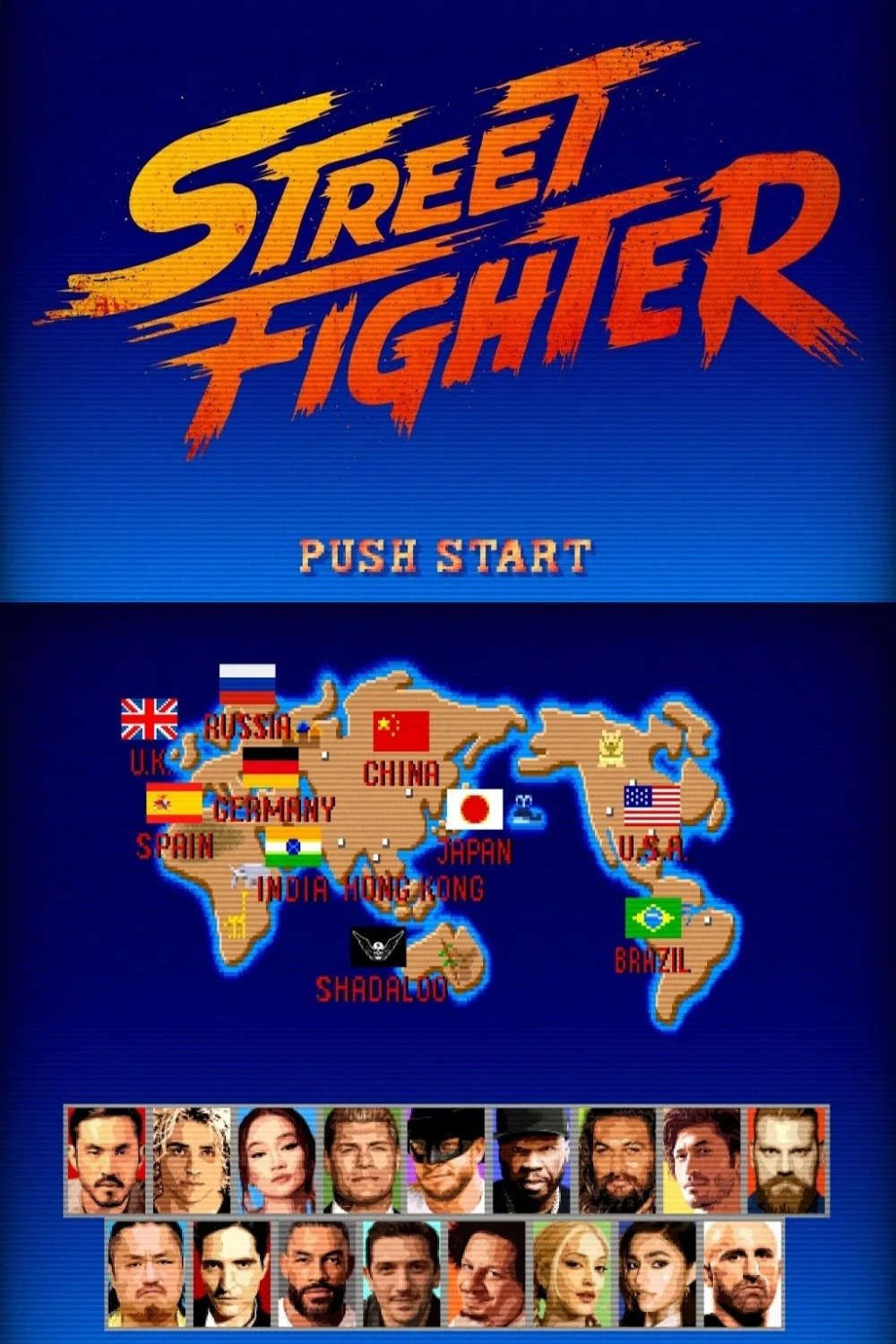
2026: MOST CURIOUS
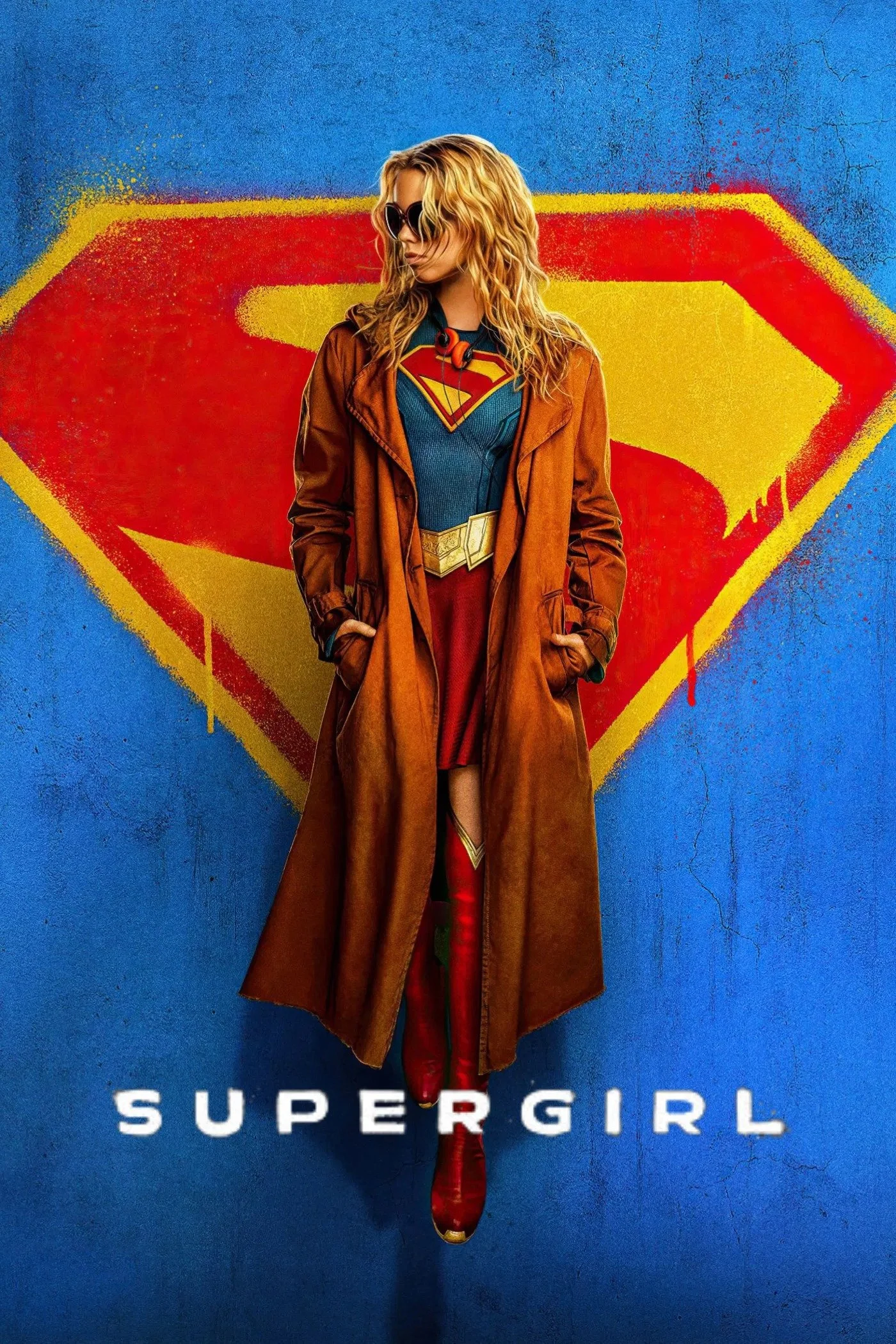
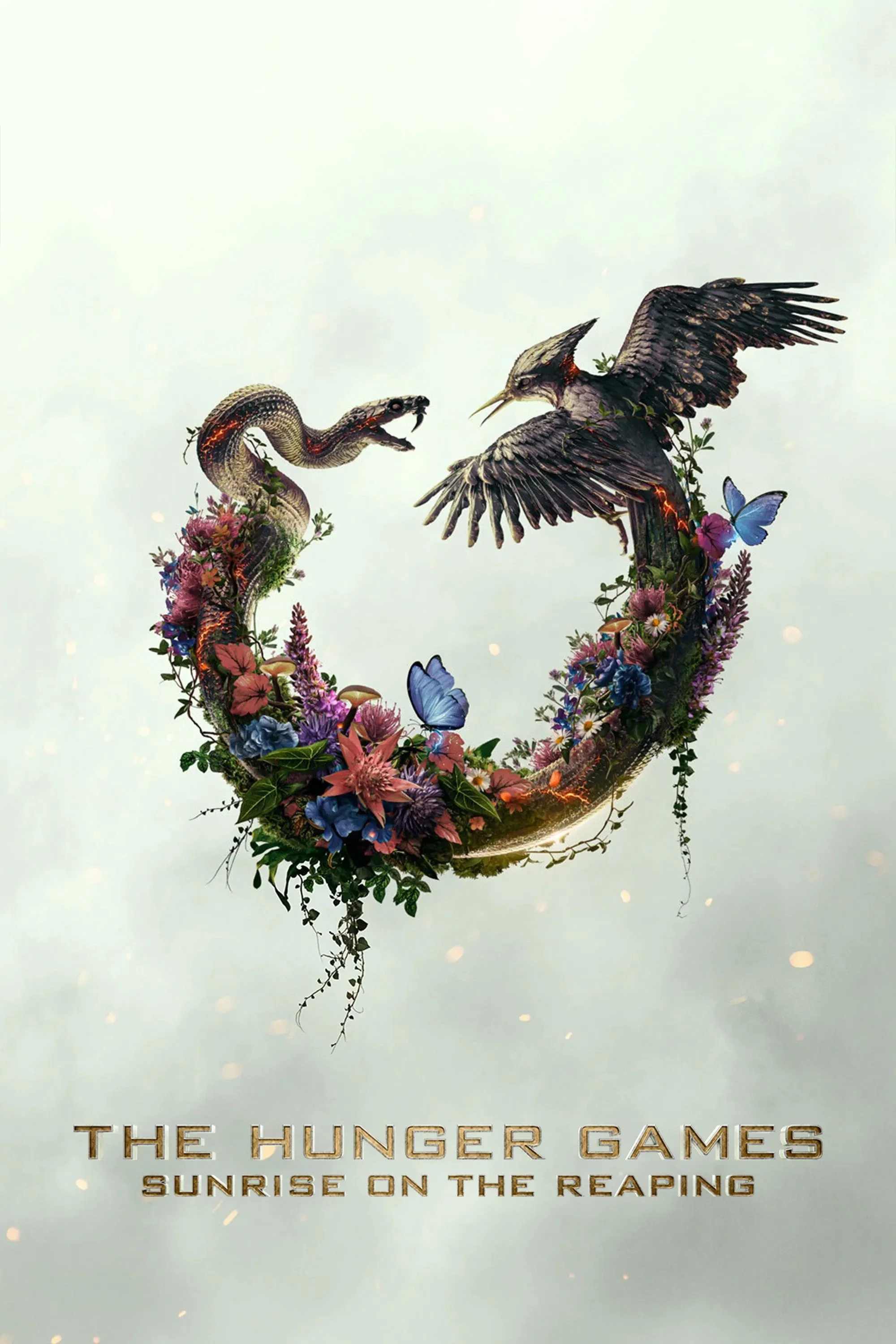
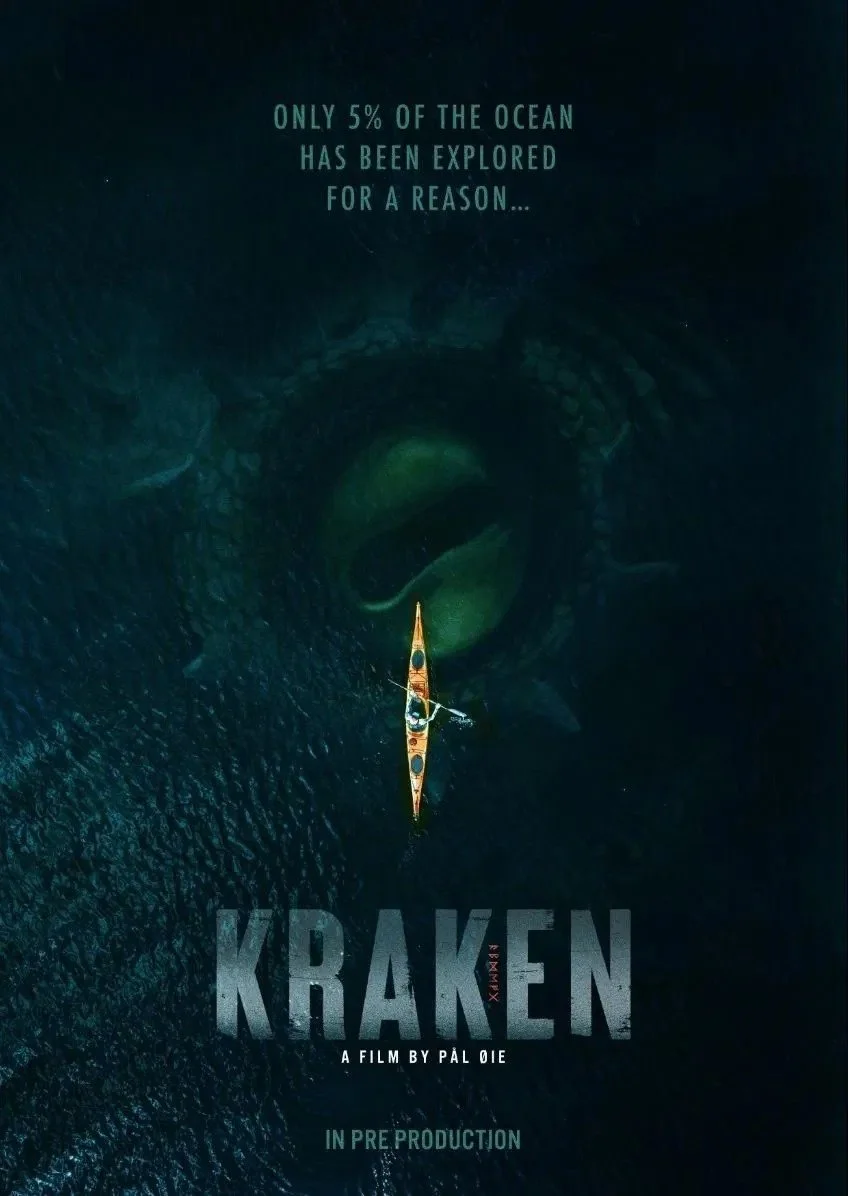
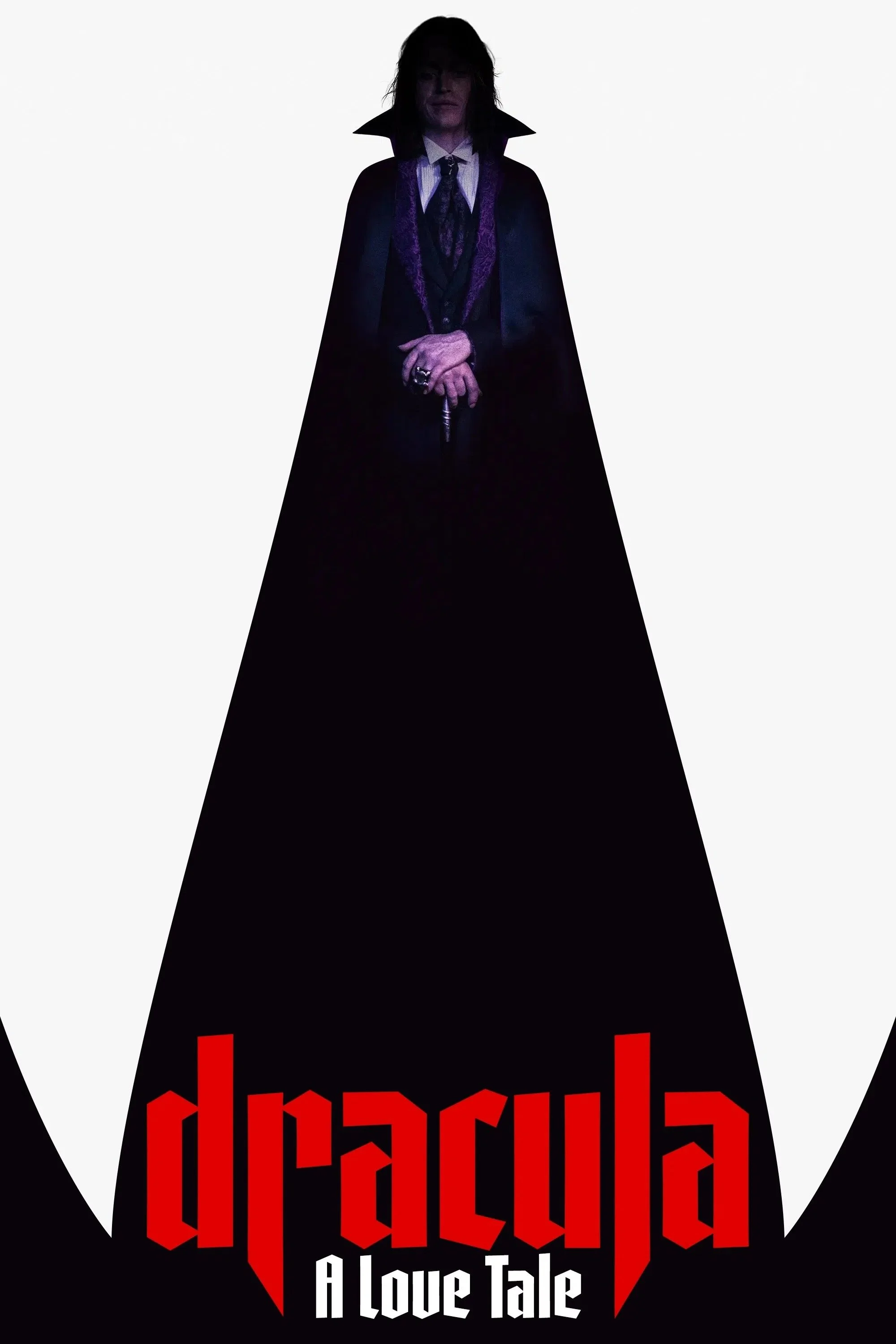
2026: LEAST ANTICIPATED
MOVIES | TV SHOWS | BOOKS | VIDEO GAMES | EVENT
TV Shows
BEST
Andor (Season 2)
Andor isn’t just the best television show of the year; it’s the most fully realized vision Star Wars has ever achieved under Disney. Where most entries in the franchise chase nostalgia or spectacle, Andor commits to substance. It delivered a season that’s intelligent, brutal, and relentlessly compelling. Its world-building operates on an entirely different register, focusing on infrastructure, labor, fear, and consequence, rather than mythic destiny. It’s smart, mature, gritty, unforgiving, and refuses easy catharsis, instead it demands patience and attention from its audience. In doing so, it sets a new standard by which the ambitions of all future Star Wars projects should be measured.
Andor’s brilliance lies in its refusal to simplify the conflict at the heart of Star Wars, placing a human face on both authoritarianism and resistance. It exposes the ordinary mechanisms that keep tyranny running: the careerists who discover too late they’re expendable, the compliant press laundering imperial lies, and the officials who quietly enable atrocity. It also explores the moral erosion endured by those fighting against it, and honors the invisible people whose sacrifices make rebellion possible.
Andor proves that Star Wars can be mature, challenging, and urgent without losing its soul.
Honorable Mention
The Pitt
In an industry overcrowded with medical dramas, The Pitt stood out by being one of the most medically accurate shows ever made. Combine it with the thrilling tension of real-time pacing; great writing that depicts real-life challenges in healthcare; and characters that actually feel like real people.
WORST
All’s Fair
It’s not a hate-watch, this is unwatchable. — Rotten Tomatoes.
All’s Fair makes every single Tyler Perry project look like Shakespeare. — Rotten Tomatoes.
I did not know it was still possible to make television this bad. I assumed that there was some sort of baseline, some inescapable bedrock knowledge of how to do it that now prevents any entry into the art form from falling below a certain standard. But I was wrong. [...] Fascinatingly, incomprehensibly, existentially terrible. — The Guardian.
Dishonorable Mention
Iron Heart
The MCU has been misfiring on all cylinders in recent years, but even then, it’s rare that a project is so aggressively tone-deaf, poorly conceived, and narratively broken that it actually redefines how bad things can get. Ironheart, unfortunately, checks every one of those boxes. From a thoroughly unlikable protagonist to a dangerous distortion of heroism, the series isn’t just bad, it’s a stain on the MCU. It’s not just that it fails to live up to the legacy of Iron Man, it feels like an intentional parody of it.
Alien: Earth
Retardation: The Show.
Every subsequent episode is an attempt to outdo its own stupidity. There are characters who are actually canonically stupid, and yet every character manages to be an idiot. On top of being utter nonsense, the show also took one of cinema’s most iconic and terrifying monsters and neuters it, transforming the Xenomorph from an existential horror into a domesticated pet.
The Witcher (Season 4)
Yet another epic fantasy series ruined by creators more invested in their own hubris than in respecting the source material. Showrunner Lauren Schmidt Hissrich and her writing team did not hide their dislike for the books and games, openly mocking them in meetings and choosing to tell a version of the story that disregarded its established lore. This led to repeated clashes with Henry Cavill, who consistently advocated for the story and characters to remain faithful to the books. What Hissrich and the production failed to realize was that Cavill was not just another cast member, but the show’s primary draw and the glue holding it together. So when mounting frustration led to his departure following season three, he was replaced by Liam Hemsworth, and it went exactly as you’d expect.
Peacemaker (Season 2)
Peacemaker season 2 is incoherent, overly indulgent, and fundamentally out of control, both tonally and structurally. The story is a convoluted mess, jumping between ideas without cohesion, while the humor is pushed so relentlessly that it smothers any opportunity for genuine character moments. Positioning an almost NC-17–level series as a follow-up to a PG-13 Superman is questionable enough, but marketing it as a “direct sequel” is bafflingly poor judgment. The gratuitous orgy in the opening episode sets the tone in the worst way, immediately signaling a season that consistently mistakes excess for edge. The problems only compound as the focus drifts away from Peacemaker and toward Harcourt, making the season feel less like a character-driven continuation and more like an indulgent side project, amplified by James Gunn’s apparent fixation on casting his wife. What ultimately emerges is a show incapable of moderating its own impulses. Gunn increasingly resembles the next Taika Waititi, where every moment must be a joke and every joke must be louder, cruder, and more vulgar than the last. Any sense of restraint or emotional sincerity is absent. At Marvel, Gunn had overseers to keep his excesses in check, but Peacemaker feels like the result of what happens when the shackles are removed.
MOST SURPRISING
The Studio
A razor-sharp industry satire and a genuine love letter to filmmaking, The Studio is an essential watch for film buffs and comedy fans alike. The satire is masterful, not just poking fun at or skewering the absurdities of Hollywood, but understanding it, celebrating it, and exposing it all at once. Adding to the fun are the hilarious cameos from real-life Hollywood legends, which feel organic rather than gimmicky and enhance the show’s self-awareness without distracting from it. And say what you will about Agatha All Along, but Kathryn Hahn absolutely crushes it here and is easily the standout performance.
Honorable Mention
Pluribus
Pluribus avoids obsessing over the mechanics of its central mystery, how the world slipped into a collective hivemind, and instead turns its attention to the aftermath. By focusing on life within this unsettling new normal, the series uses its dystopian premise as a lens to explore character and moral unease rather than a puzzle to be solved, resulting in a darkly funny and visually haunting meditation on forced harmony.
That said, the season ultimately feels lighter than its episode count suggests. The ending arrives abruptly, stopping more than it concludes, and the overall narrative progression is so minimal that the entire story likely could have been condensed into a feature-length film. Very little actually happens, and most of the character and story development could be significantly streamlined. Nevertheless, even when momentum stalls and the show enters its quieter stretches, it remains compelling, sustaining its atmosphere and ideas while making stillness feel intentional rather than empty.
MOST DISAPPOINTING
Squid Game (Season 3)
Squid Game season 3 fundamentally refuses to justify its own existence. Rather than earning its conclusions, the season rushes to wrap up every lingering storyline with the energy of a showrunner clearing items off a checklist. Narrative threads aren’t resolved so much as they’re dismissed, tied off just enough to claim closure without delivering any real thematic payoff.
This is painfully evident in how the show handles its long-running arcs as they collapse into irrelevance. The police investigation to locate the island, built up as a meaningful external threat to the games, amounts to absolutely nothing. The season 2 rebellion, which seemed poised to finally disrupt the system from within, is rendered pointless when it’s neutralized almost immediately, and the remaining players herded back to the barracks with the games simply resuming as if nothing ever happened. Season 3 doesn’t grapple with the implications of its own story; it just sweeps them aside, treating narrative momentum as a problem to be made to go away rather than an opportunity to say something worthwhile.
Dishonorable Mentions
Stranger Things (Season 5)
I’ll get to the hot-button issue in a moment, but first: season 5 has been flat-out bad. One of its biggest problems is an absurdly bloated cast. Over the years, the show has averaged maybe one or two meaningful deaths per season, and even those were usually confined to newly introduced characters created solely to be killed off. That number should have been much higher by now. At this stage, the story should be focused on the core group. Instead, there are simply too many characters competing for screen time, and somehow Holly has emerged as the new main protagonist, receiving more focus and narrative importance than characters the show has spent years building.
On top of that, we get what might be the worst coming-out scene in Hollywood history. To be clear, the problem isn’t that Will is gay; it’s how the moment is handled. The audience already knows this, which turns the scene into a waiting game for the characters to catch up. Worse, it’s overcrowded with so many people that it feels less like an emotionally intimate beat and more like an awkward intervention. It should have been a private moment between Will and his mother, with maybe Mike included. Placing it at the end of the penultimate episode only makes things worse, as it’s given so much time that it completely drains the surrounding scenes of tension and momentum. The result is something highly staged, poorly acted, painfully cringe, tonally misplaced, and entirely unnecessary.
At this point, the show may have torpedoed its chances of becoming a timeless piece of prestige television, and might go down as one of the biggest fumbles in TV history; on par with Game of Thrones.
The Last of Us (Season 2)
The Last of Us season 2 might be the most ironic video game adaptation ever. Video game adaptations are often criticized for not following the established storyline, but if ever there was an opportunity to deviate from the source material, and fans be okay with it, this would’ve been it. And yet, they chose to follow the games and then act surprised when it got the same reception.
Jujutsu Kaisen
This might be the most overhyped anime in years. It’s generic, unfocused, and never dedicates itself to a particular theme or idea. The pacing and tone are all over the place, making the series feel like it doesn’t know what it wants to be.
There’s also no “it” factor, nothing unique to set it apart from the endless stream of modern fantasy/demon/training-school anime. It lacks any real identity and comes off as just another anime. I think it would have been far better off taking itself more seriously and fully committing to a specific concept.
2026: MOST ANTICIPATED
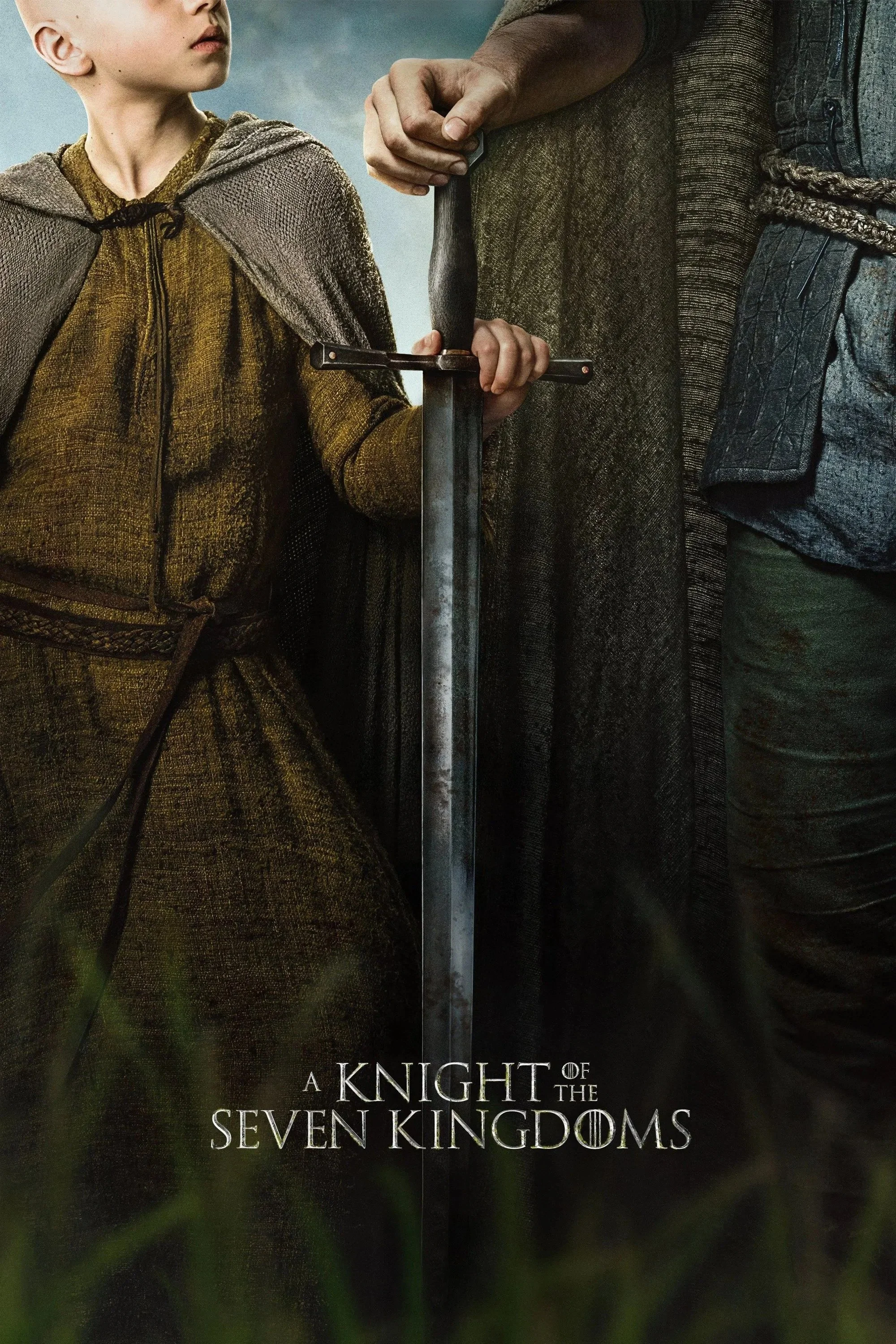
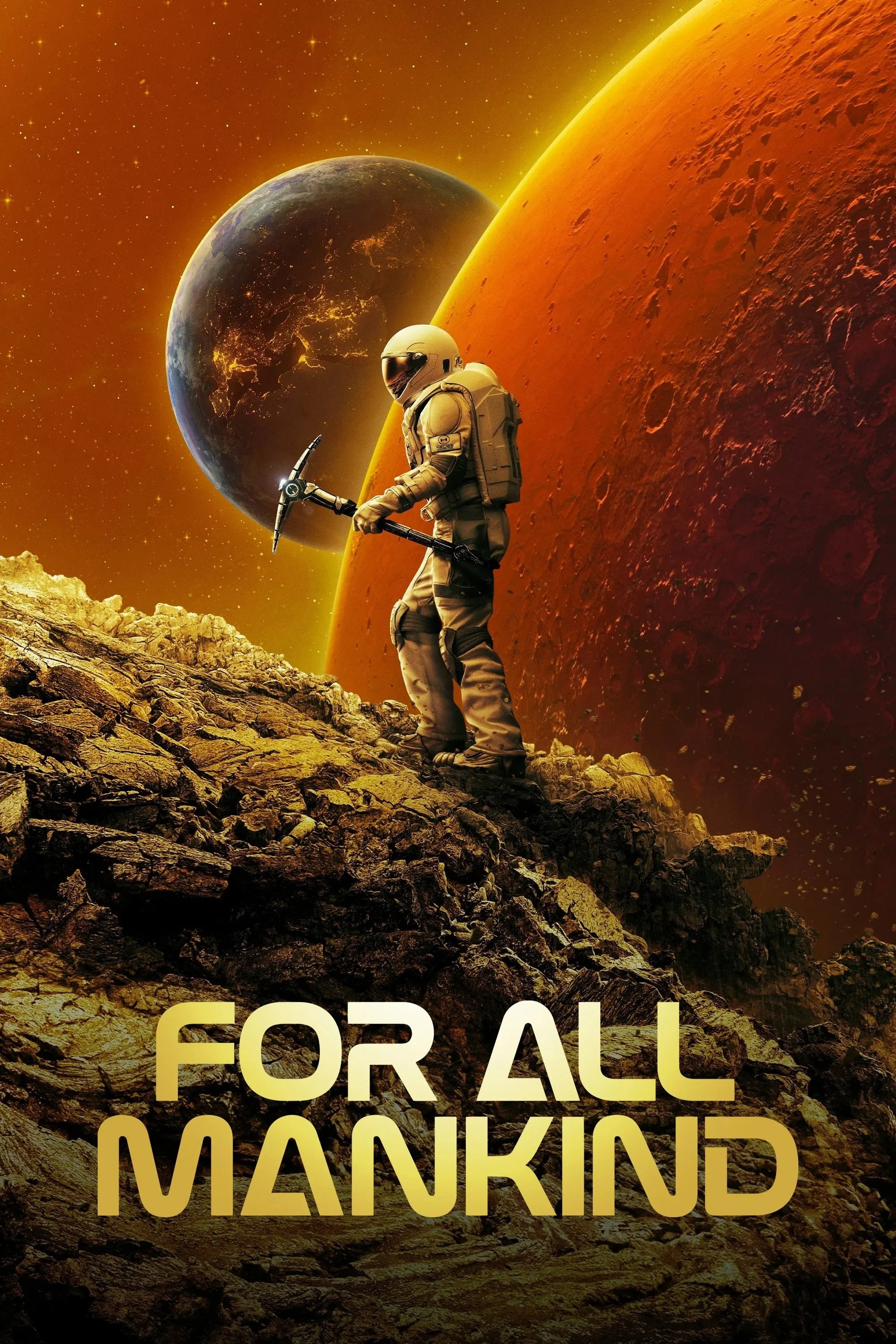
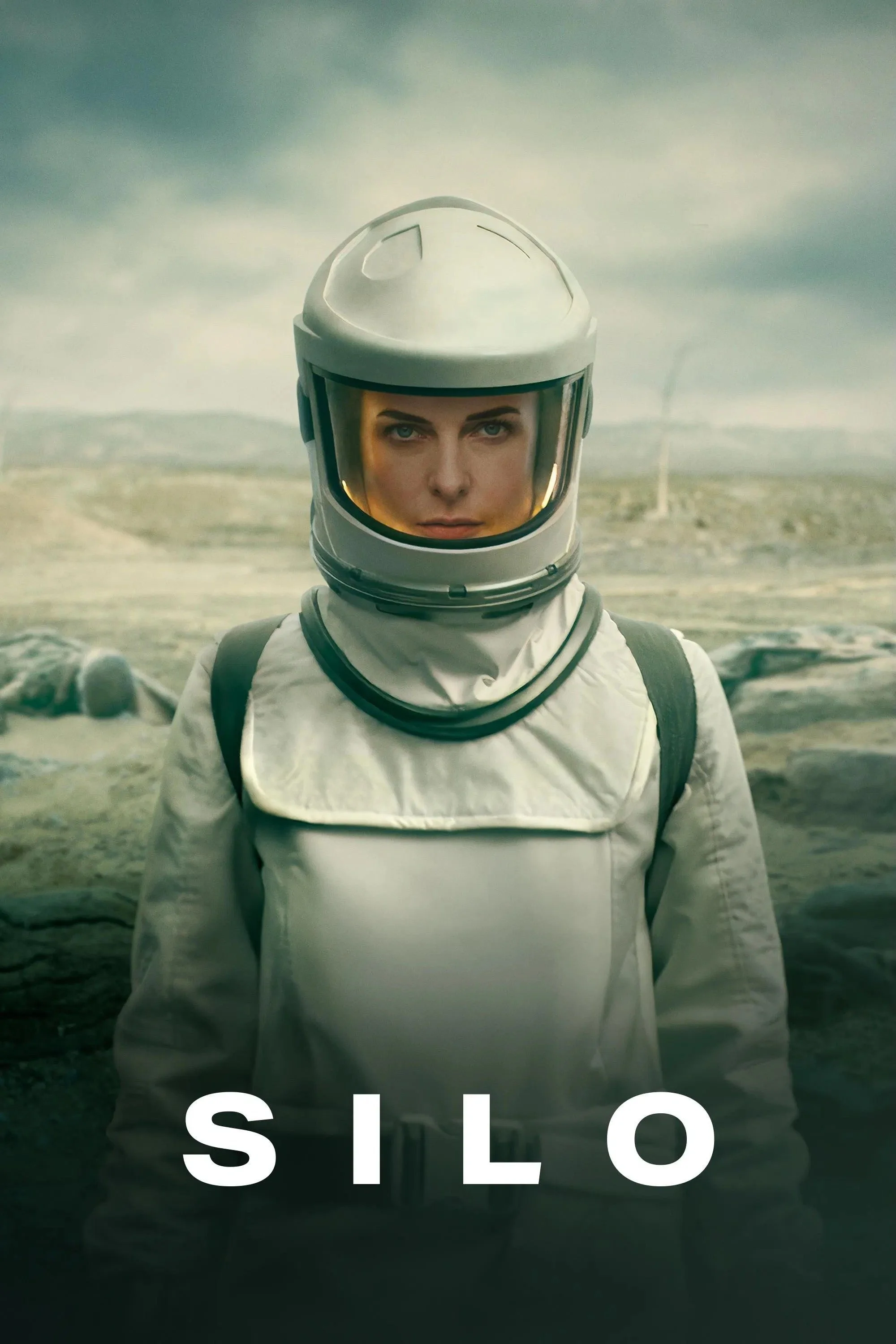
2026: MOST CURIOUS
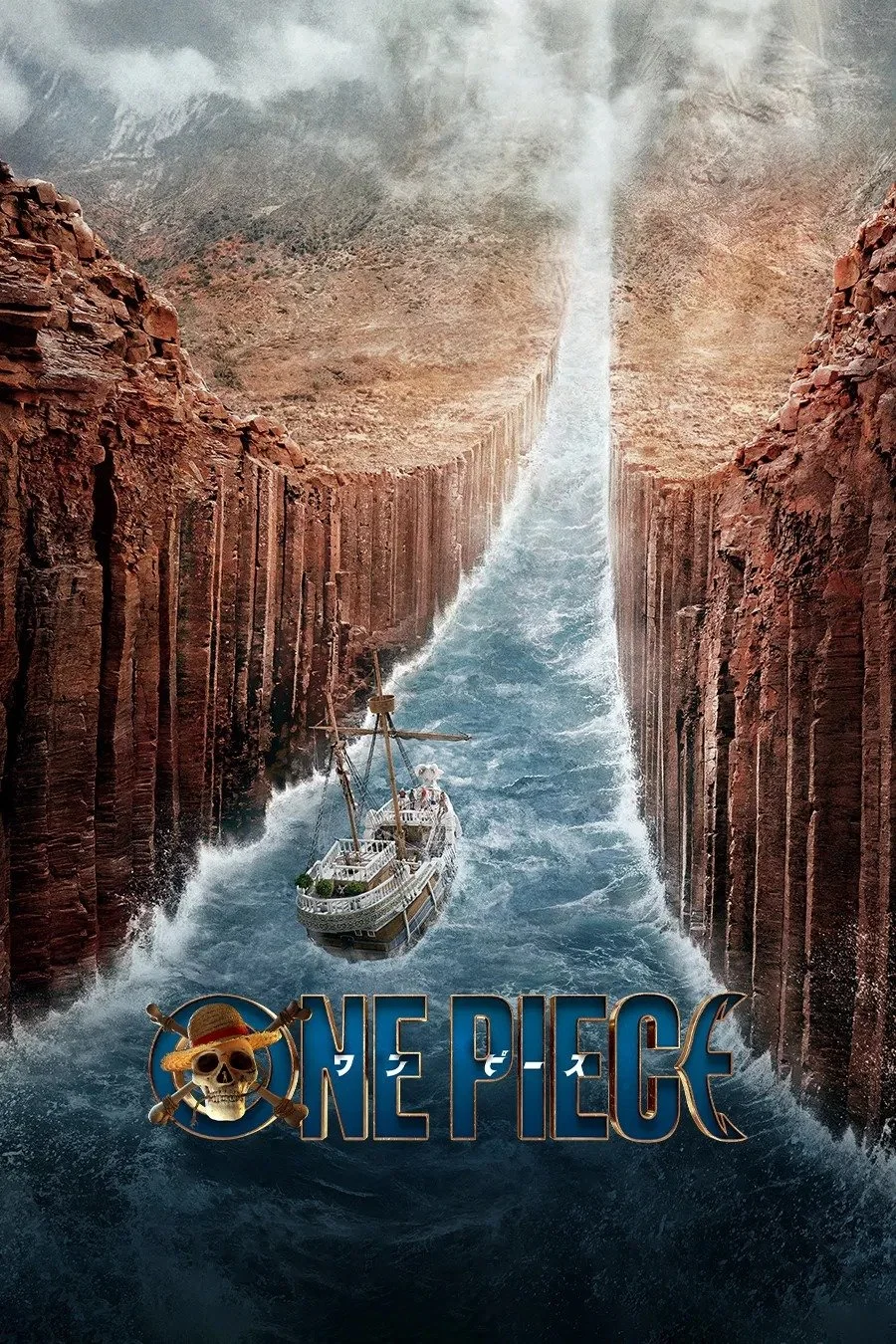
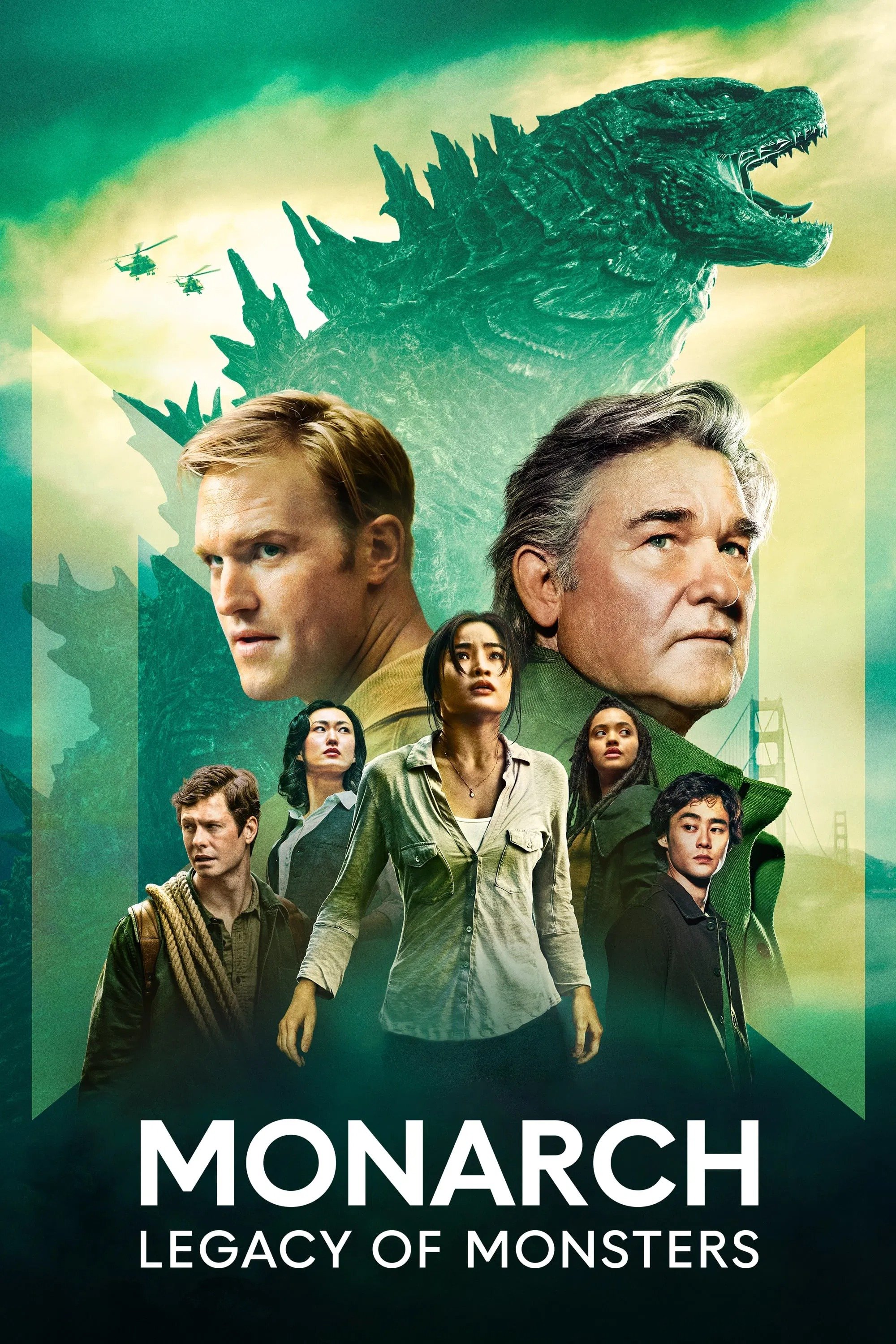
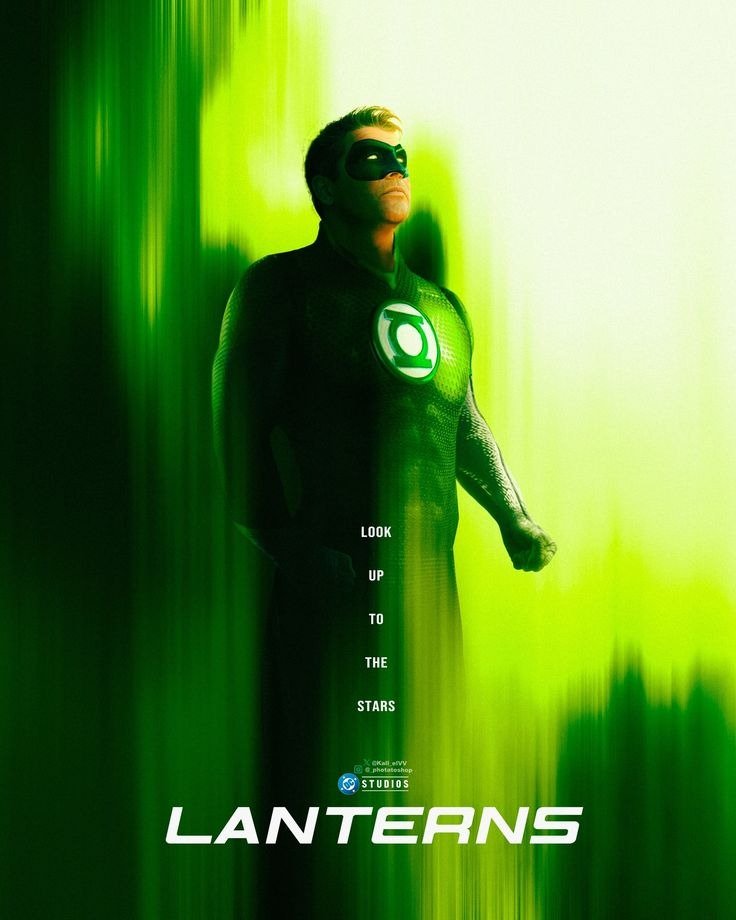
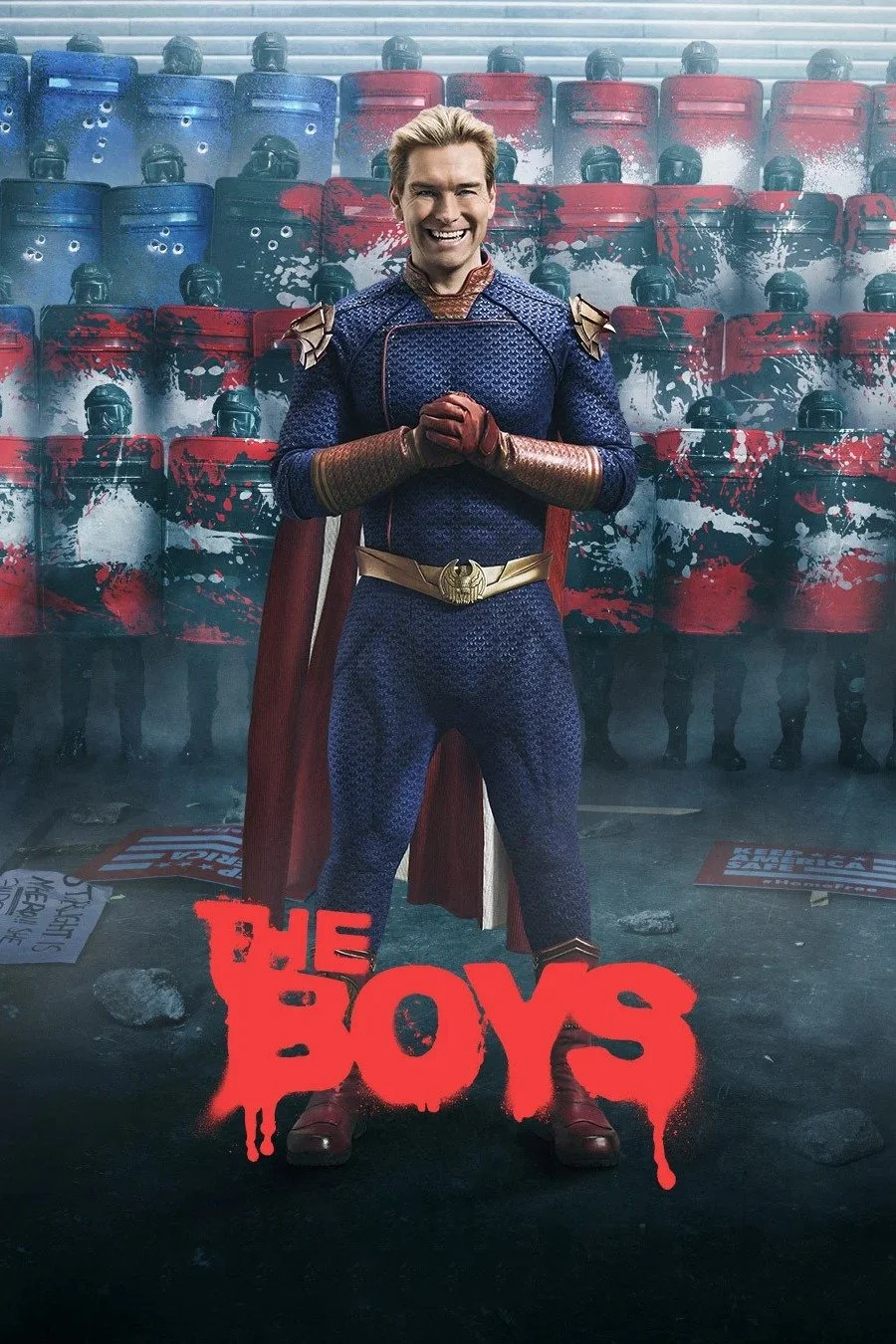
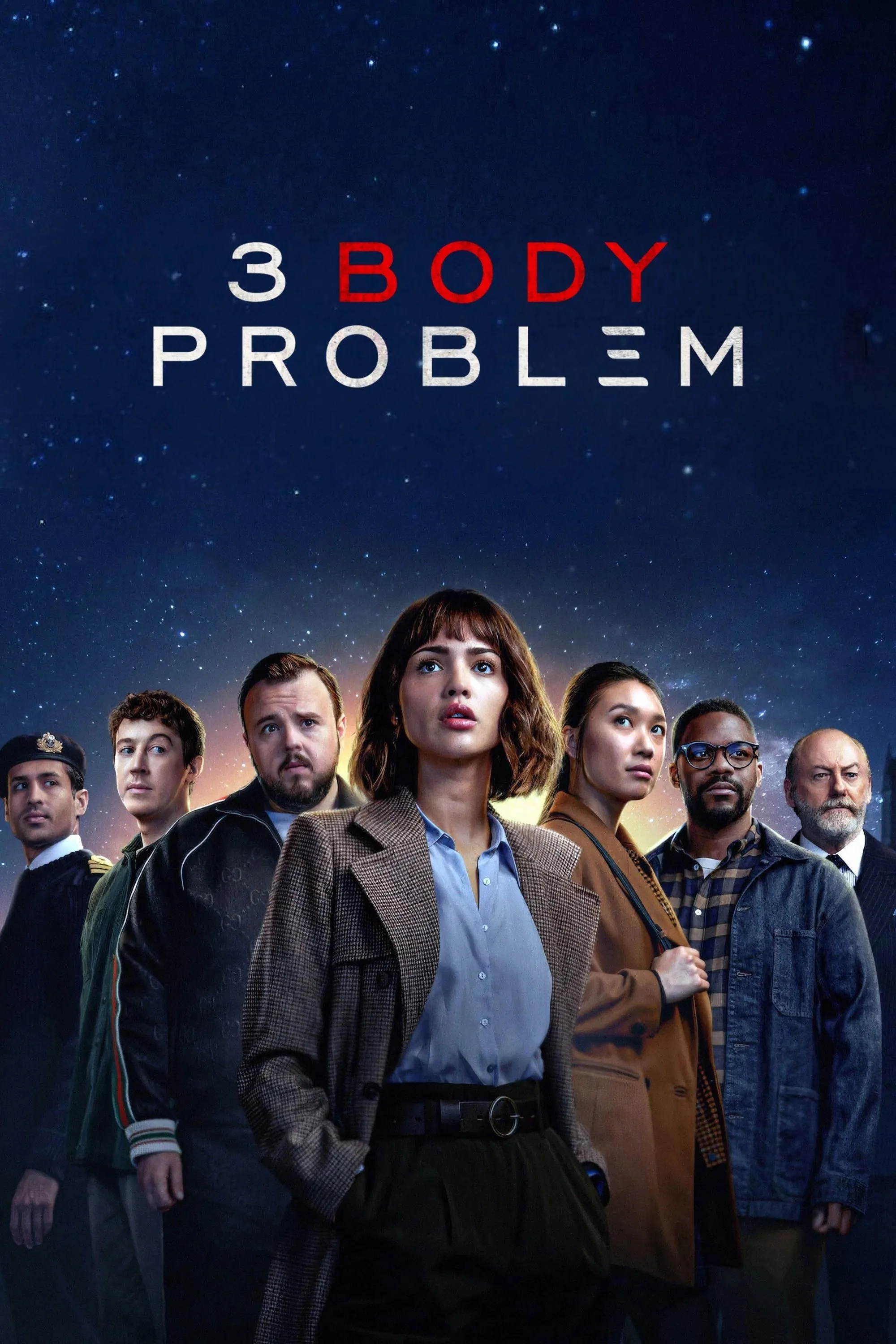
2026: LEAST ANTICIPATED
MOVIES | TV SHOWS | BOOKS | VIDEO GAMES | EVENT
Books
BEST
The Ryan Drake Series by Will Jordan
The Ryan Drake series completely consumed me in a way few books ever do. I couldn’t pick just one entry, and even if I did, the rest would’ve dominated the Honorable Mentions. Once I hit the back half of the series, I read the books back to back to back to back, starting the next one immediately after finishing the last. The boundaries between individual installments blurred until the entire series became a single, continuous experience, less like separate novels and more like one massive, high-octane movie playing in my head. It’s rare to find a series with that kind of momentum, one that makes stopping feel unnatural.
A big part of why I loved it so much is Jordan’s prose, which I didn’t fully appreciate until I was already deep into the series. His writing is very utilitarian in the best sense, clear, direct, and efficient, with no interest in trying to dazzle you or hide important details behind layers of subtext. That straightforward style keeps the pacing razor-sharp and lets the story, action, and characters do the heavy lifting. And the characters are exceptional. Anya, in particular, has become one of my all-time favorites, but even as the cast expands, it never feels crowded or unfocused. Every character serves a purpose and is handled with care. Combined with its globe-trotting scope, relentless pace, and consistently high stakes, the Ryan Drake series delivers exactly what a great spy thriller should, and then keeps pushing forward without ever losing its grip.
Honorable Mention
The Kaiju Preservation Society
A book that understands, without hesitation or apology, that its primary job is to entertain. It’s lighthearted, sharply funny, and packed with present-day references, rapid-fire quips, and an almost nonstop stream of snark that gives the book its infectious energy. The story never pretends to be more serious than it wants to be, and that self-awareness is exactly where its charm comes from. The dry humor and constant banter between characters carry the novel just as much as the plot itself, creating a rhythm that’s easy to fall into and hard to put down. It’s less like a heavy literary experience and more like a joyful reminder of how fun reading can be.
WORST
The 7 Habits of Highly Effective People by Stephen R. Covey
I find it baffling that this book has become such a widely celebrated self-help classic. Are there really that many dysfunctional people in the world that something this basic is hailed as life-changing? SEE FULL REVIEW.
Dishonorable Mention
Orleans by Sherri L. Smith
Orleans is a frustrating experience from the very beginning. The exaggerated southern dialect is so cartoonishly over the top it makes the book borderline unreadable. Instead of immersing you, it feels like a parody that forces you to waste brainpower deciphering broken English, and by the time you figure out what’s being said, you’ve lost any sense of the actual story. SEE FULL REVIEW.
MOST SURPRISING
The Lady and The Orc (Orc Sworn, Book 1)
A book that turned out to be so much more than it initially appeared. What looked like straightforward fantasy-romance smut revealed itself to have a genuinely engaging story and real character depth. But of course, the book doesn’t shy away from what many readers actually come for: the sex scenes are absolutely off the charts. They’re not only plentiful but explicitly hot, confident, indulgent, and charged with real chemistry rather than feeling mechanical or obligatory. The audiobook elevates all of this even further thanks to Shane West, who absolutely crushes the narration.
Honorable Mention
If I Was Your Girl
If I Was Your Girl was surprisingly good because of how effortlessly it succeeds at exactly what it sets out to do. In a word, it’s cute, and while that may sound faintly dismissive, it’s meant as a compliment. On the surface, it’s a small, self-contained teen romance, but it’s also a quick, easy read that tells its story with clarity and confidence. Amanda is written with real care, her struggles portrayed in a way that makes you root for her and genuinely ache when she’s outed against her will. Even the characters you’re inclined to dislike are handled with enough nuance that you can at least understand where they’re coming from.
What’s annoying, though, is that so many reviews frame it as an “important” novel that must be read because of the issues it addresses, while barely engaging with whether it’s actually good. Subject matter alone doesn’t determine quality, and If I Was Your Girl deserves praise not just for what it’s about, but for how well it’s written. Its strength lies in its empathy, its restraint, and its ability to tell a heartfelt story without overstating its message, something far rarer than the discourse around it suggests.
MOST DISAPPOINTING
The Dinosaur Lords (The Dinosaur Lords, Book 1) by Victor Milan
The Dinosaur Lords is a classic case of concept over delivery and was clearly just trying to be Game of Thrones with dinosaurs. But instead of being central to the plot or consistently integrated into the worldbuilding, the dinosaurs often come across as window dressing: present just enough to justify a flashy cover, but never explored in any meaningful way. SEE FULL REVIEW.
Dishonorable Mention
On Her Game by Christine Brennan
Author Christine Brennan seems determined to remind readers of her own role in the sports media landscape rather than telling the story of Caitlin Clark, as the narrative is peppered with anecdotes on her own career accomplishments. SEE FULL REVIEW.
MOVIES | TV SHOWS | BOOKS | VIDEO GAMES | EVENT
Video Games
BEST
Clair Obscur: Expedition 33
A masterfully modern take on the JRPGs of yesteryear.
Its world is hauntingly beautiful, its score devastatingly effective, and its characters brought to life with a level of care that makes every interaction matter. This is craftsmanship at its most deliberate and confident.
At the center of it all is a story that hits with extraordinary emotional force. Expedition 33 tells a deeply personal tale of loss and love, of perseverance in the shadow of inevitable tragedy, and of the quiet bravery it takes to keep going when everything feels broken. It’s a game that doesn’t shy away from pain, using grief as both a narrative engine and a connective tissue between player and character. By the time the journey ends, you’re left shaken, moved, and certain you’ve experienced something truly special.
Honorable Mentions
Metal Gear Solid Delta: Snake Eater
This is a completely biased pick. The original MGS3 is one of my all-time favorite games.
You could say it’s a remake that plays it safe, but as far as I’m concerned, that’s a good thing. Whenever a bastardized remake of a beloved classic comes out, we often find ourselves yelling at the developers, “All you had to do was not mess it up.” And that’s exactly the approach Konami took with this. Along with some quality-of-life improvement, they added a few modern mechanics that are no more than precisely what they needed to be, but beyond that, all this game had to do was function, and it does… and I love it.
Battlefield 6
It’s safe to say that Battlefield is back, reasserting the franchise’s core identity after years of uncertainty. The campaign is admittedly a bit of a letdown, but it’s ultimately beside the point when the multiplayer so confidently recaptures what made Battlefield special in the first place. It’s nothing new, but it’s exactly what you want. The game thrives on large-scale, unscripted mayhem; matches erupt into chaos organically, creating those tense, cinematic moments the series has always done better than anyone else.
WORST
MindsEye
The gameplay is relentlessly mundane, stuck cycling through shallow mechanics that never evolve and never challenge the player. Invisible mission failure barriers arbitrarily rip control away, while the AI can’t decide whether it wants to function or stand around like a lifeless prop, all of it set in an open world with absolutely nothing to do. Visually, the game is just as disappointing: awful textures, inconsistent rendering, and a presentation that feels blatantly unfinished. And the story is a mediocre mess with no coherent flow, and nonsensical dialogue that sounds stitched together without context or care.
Dishonorable Mention
Ambulance Life: A Paramedic Simulator
Over the past few years, the simulator genre has definitely skyrocketed in quality, producing some genuinely well-made games with thoughtful mechanics and surprisingly engaging concepts. Ambulance Life is not one of them. Its core gameplay loop is dull and relentlessly repetitive, the visuals are ugly, and the experience is plagued by bugs that constantly undermine even the most basic tasks. Something as simple as getting a stretcher back into the ambulance becomes an ordeal, turning frustration into the defining feature of the experience. It’s the gaming equivalent of medical malpractice.
MOST SURPRISING
Blue Prince
Blue Prince introduces an idea that feels both entirely new and immediately compelling. It’s effectively a roguelike architectural puzzle game, built around exploration, mystery, and a mansion whose layout shifts daily based on a mix of chance and player choice. The concept is boldly genre-defying, blending structural logic with narrative curiosity in a way that’s rarely attempted, let alone executed this well. The puzzles strike a careful balance between fair and demanding, rewarding observation, experimentation, and patience rather than brute-force solutions. It’s a game that reveals itself gradually and, in doing so, delivers one of the most unexpected and rewarding experiences of the year.
MOST DISAPPOINTING
Call of Duty: Black Ops 7
Call of Duty: Black Ops 7 is an outright embarrassment and easily the worst campaign the franchise has ever inflicted on its audience. The storyline is a nonsensical mess of plot contrivances, utterly devoid of plausibility or coherence. Nothing connects, nothing matters, and the writing is so atrocious it makes Black Ops 4’s nonexistent campaign look like Shakespeare. With no interesting mechanics to speak of, baffling design choices, and enemies that are downright brain-dead, the campaign collapses into a joyless procession of AI slop, capped off by absurd boss fights that have no place in Call of Duty.
Zombies is only marginally better, and only because it reverts to tried-and-true formulas. There’s no innovation, no ambition, and no sense of progress, just a lifeless rehash masquerading as improvement.
Black Ops 7 is a testament to how creatively bankrupt the series has become and just how far it has fallen.
Dishonorable Mention
Borderlands 4
This is going to be nitpicky. Borderlands 4 is disappointing not because it’s outright bad, but because it falls frustratingly short of what it could have been. Yes, it’s a good game, and easily the best Borderlands entry since 2. But two persistent issues drag the experience down: quality-of-life problems and an endgame that feels completely lifeless.
The interface alone is a constant source of irritation, as the menus are needlessly awkward to navigate. The inability to view multiple weapons at once (save for the “compare” option), forcing players to hover over each item individually just to see its stats, is a baffling design choice in a loot-driven game. The endgame, meanwhile, offers little reason to stick around once the credits roll. While you can technically replay missions and boss fights, there’s no meaningful incentive to do so.
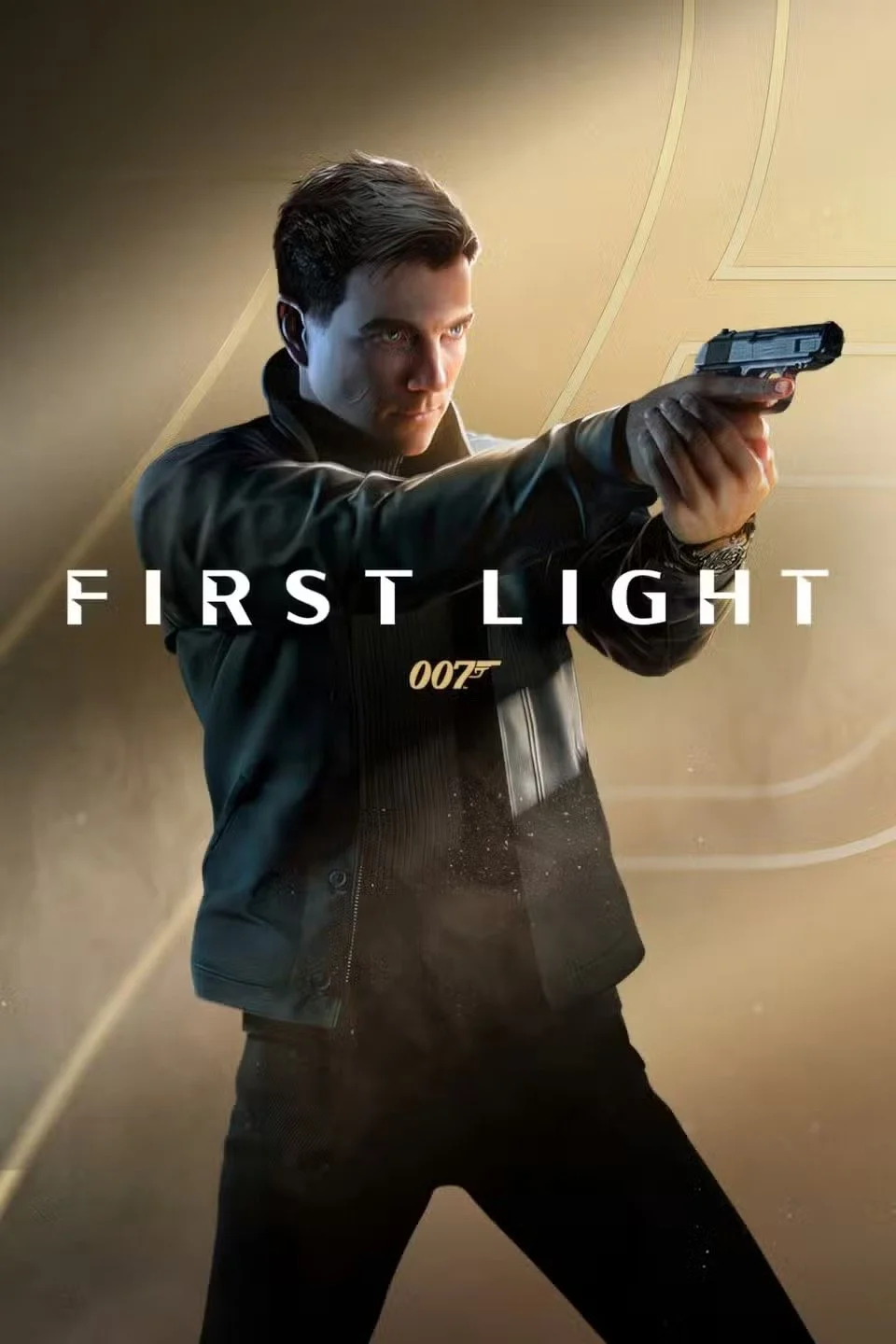
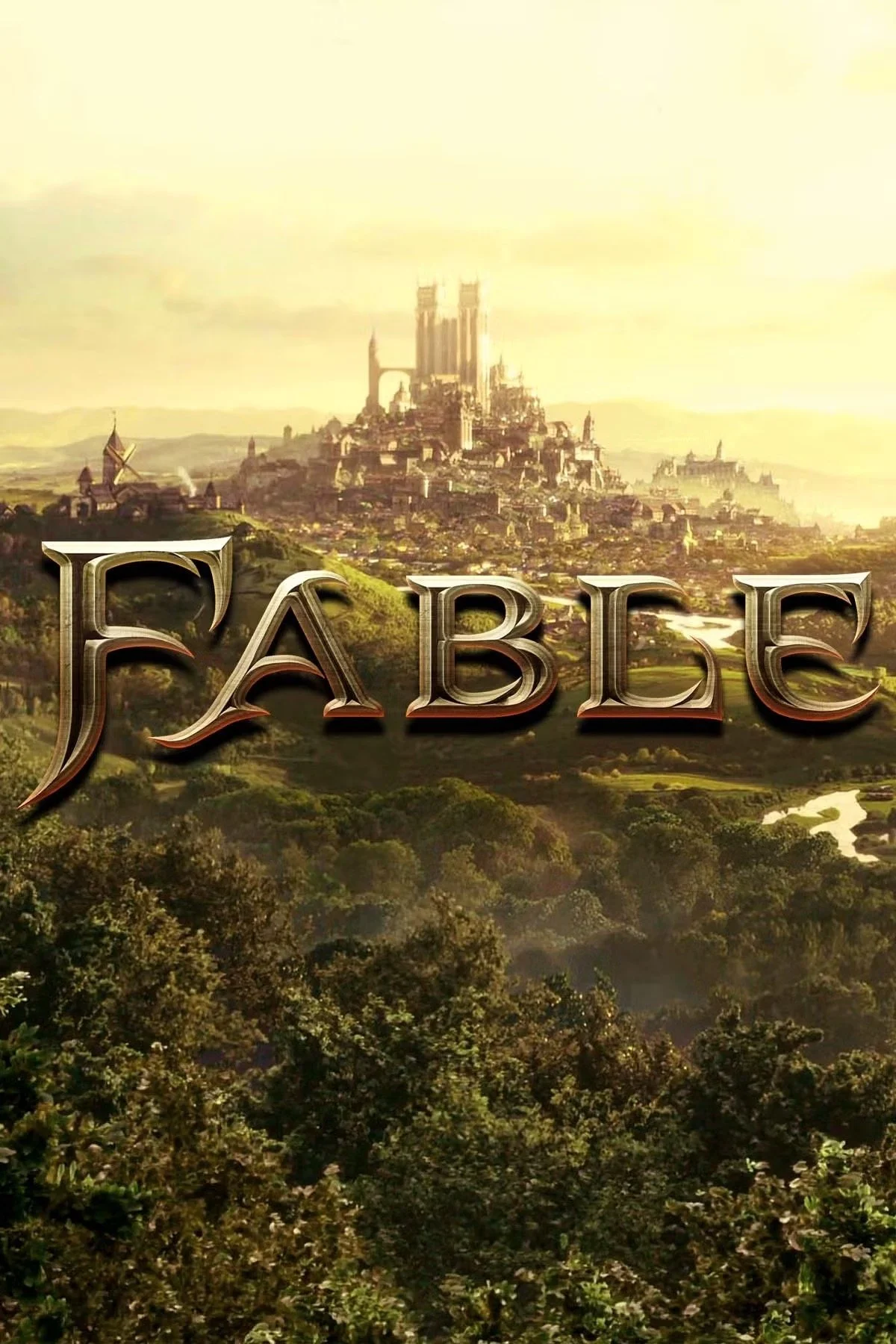
2026: MOST ANTICIPATED
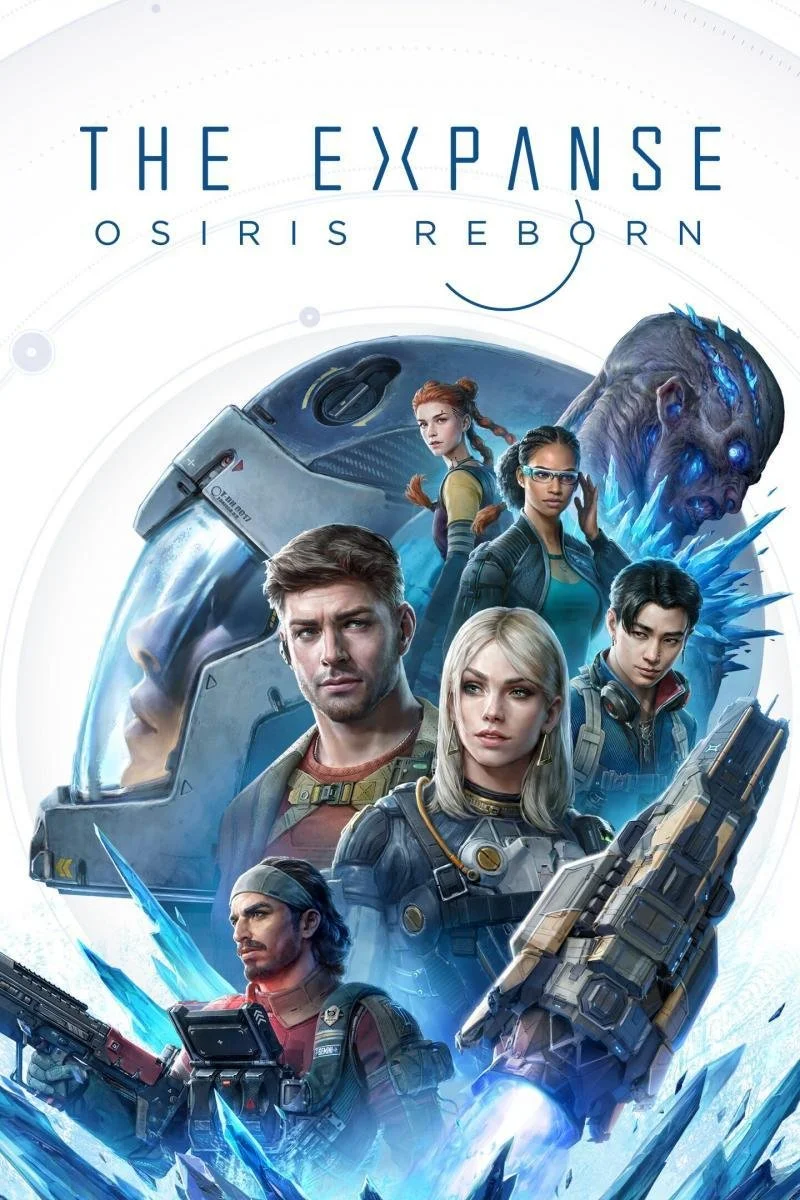
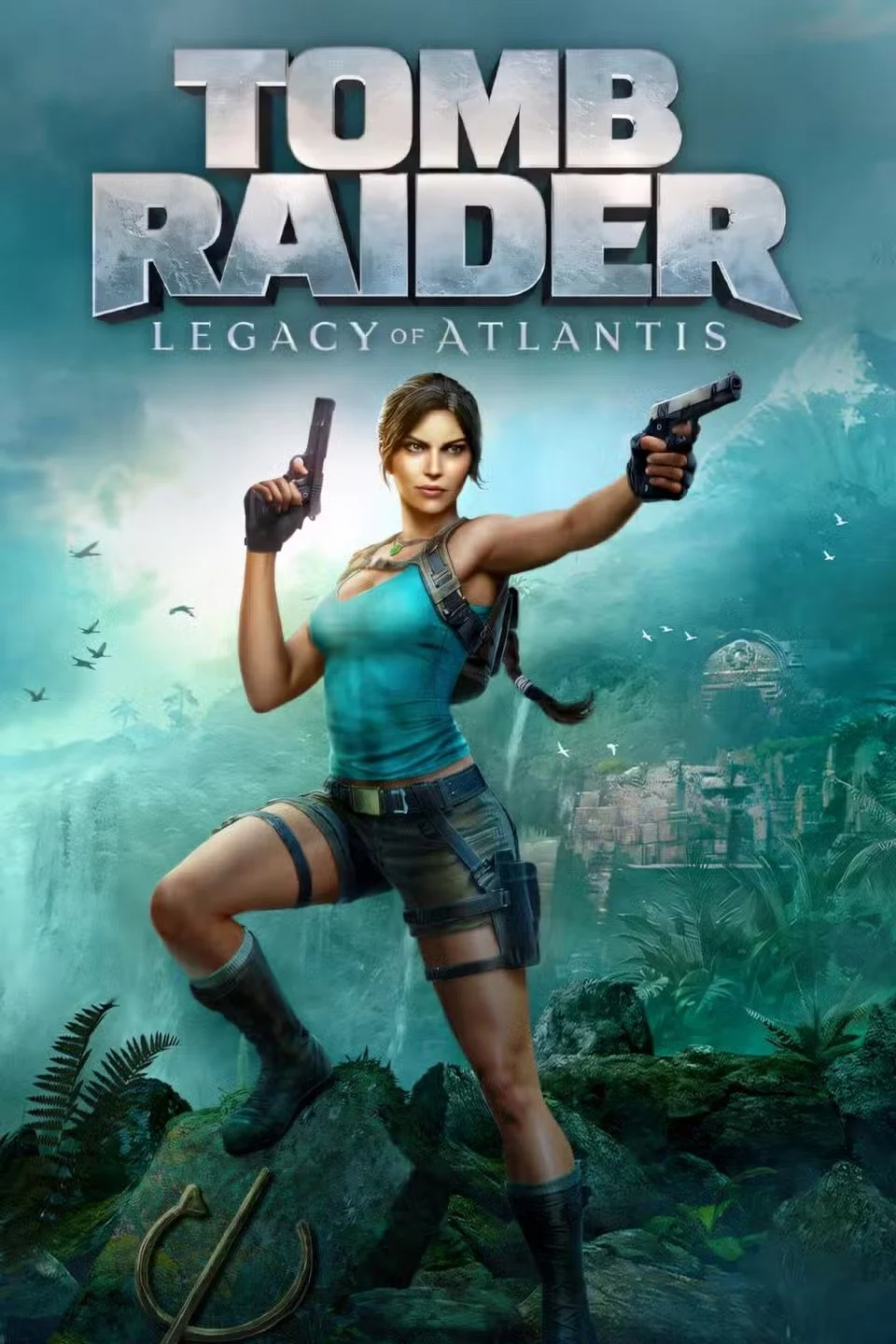
2026: MOST CURIOUS
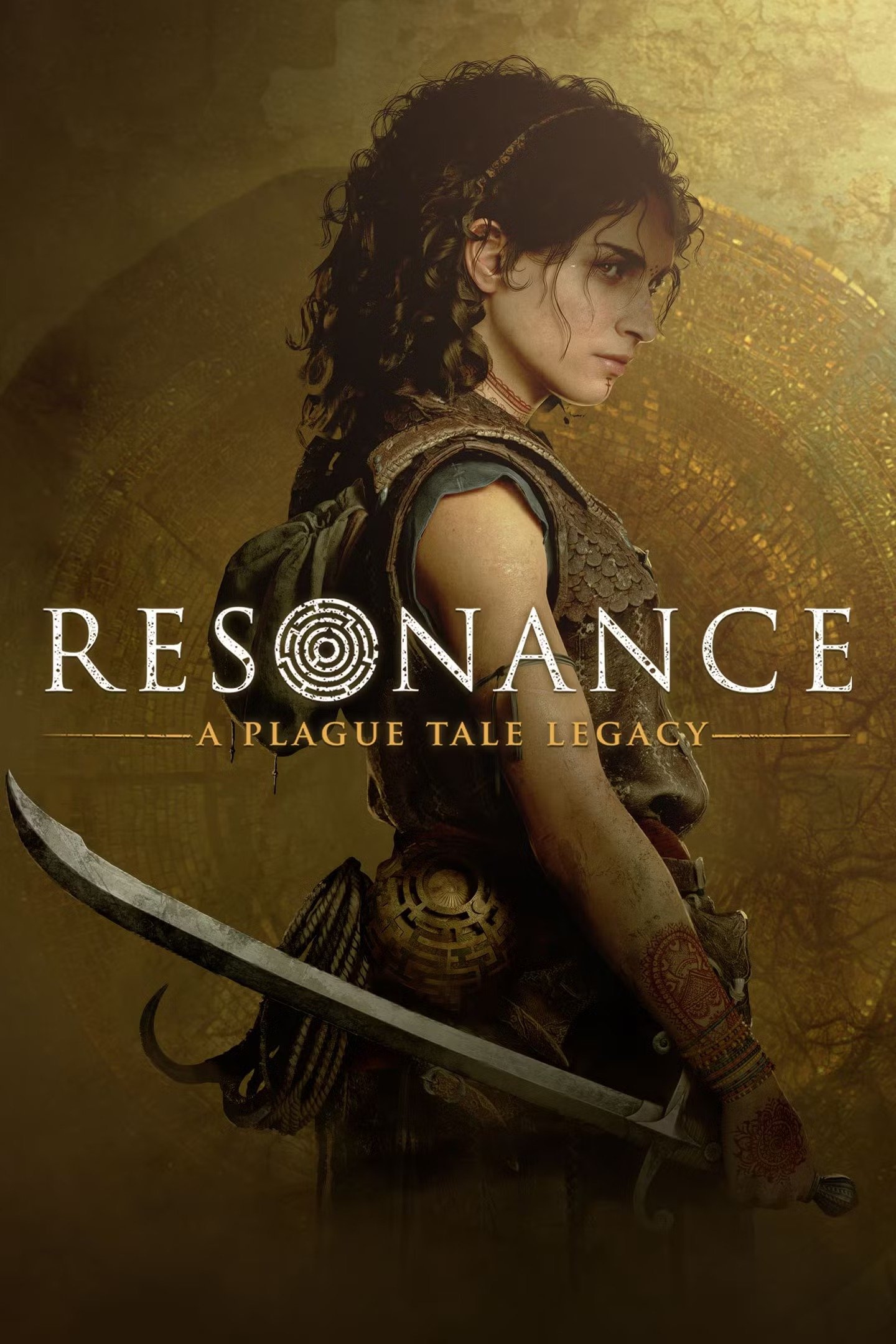
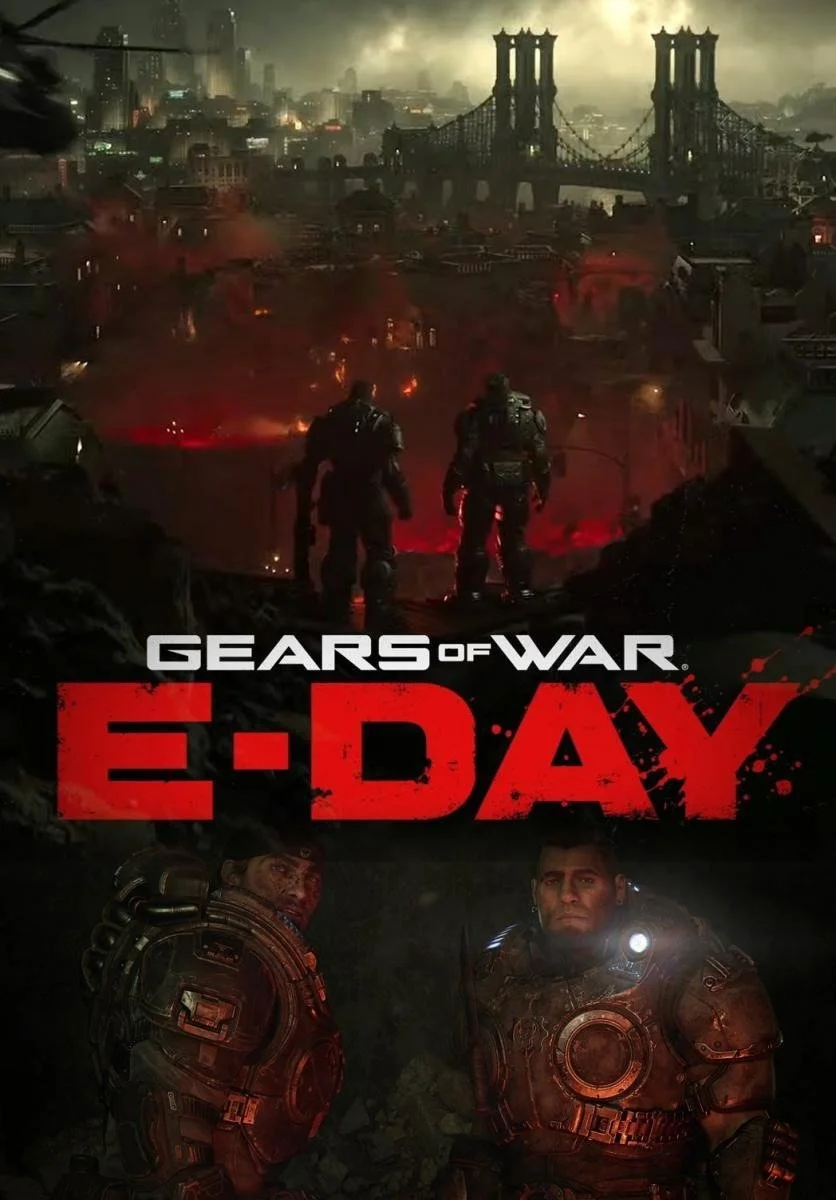
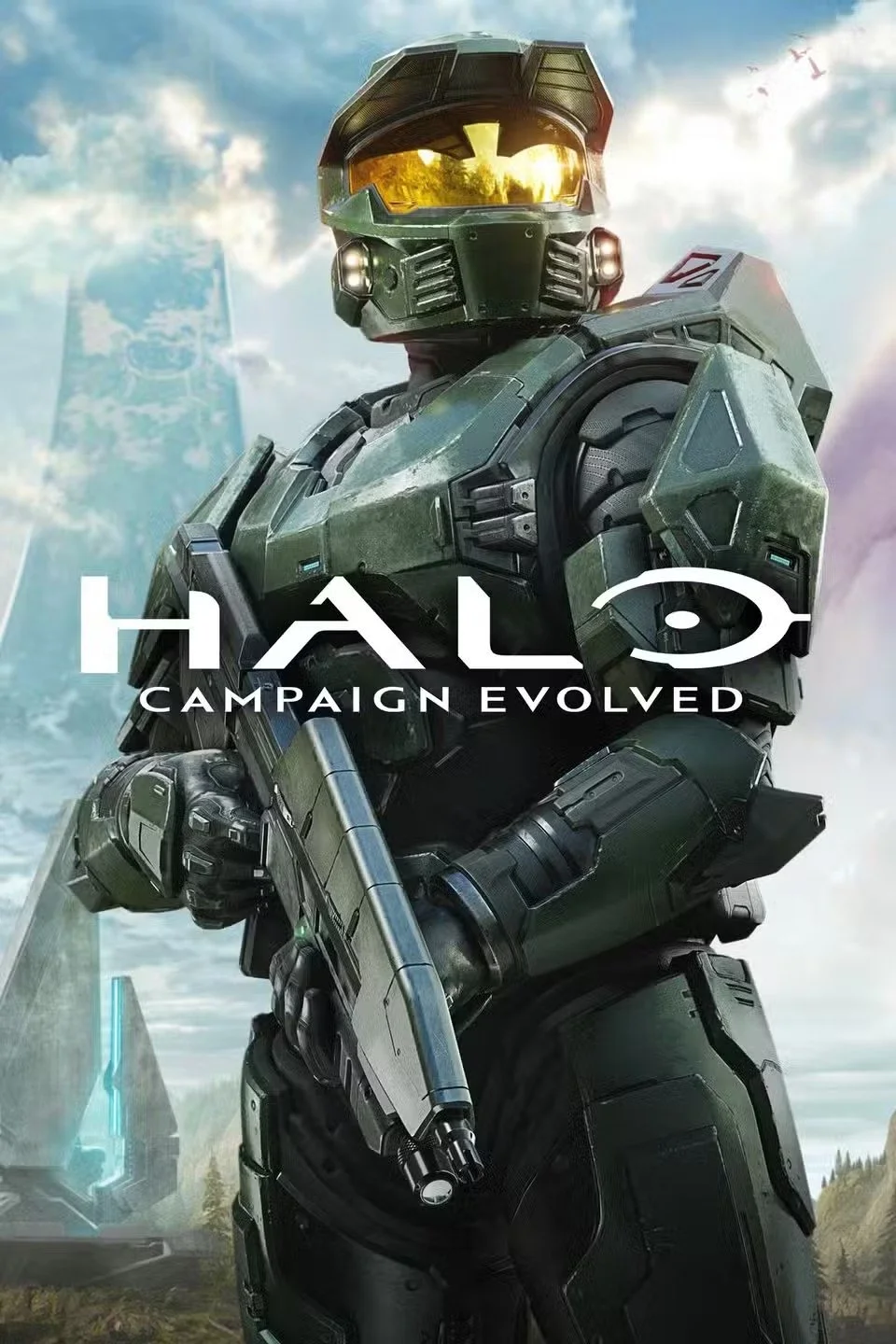
2026: LEAST ANTICIPATED
MOVIES | TV SHOWS | BOOKS | VIDEO GAMES | EVENT
Event of the Year
The Assassination of Charlie Kirk
“When people stop talking, really bad stuff starts. When marriages stop talking, divorce happens. When civilizations stop talking, civil war ensues. When you stop having a human connection with someone you disagree with, it becomes a lot easier to want to commit violence against that group… What we as a culture have to get back to is being able to have a reasonable disagreement where violence is not an option.”
— Charlie Kirk
Honorable Mentions
The Murder of Iryna Zarutska
The murder of Iryna Zarutska is a heartbreaking tragedy that robbed the world of a young life full of promise and potential, and deserves far more attention than it received. She was a 23-year-old Ukrainian refugee who had fled her country to escape the horrors of war, only to have her life cut short in a violent and senseless act. The sadness of her death is compounded by how little coverage her death initially received from legacy media, reflecting a troubling bias in what stories are deemed newsworthy. It wasn’t until weeks later, after widespread outrage on social media, that many news outlets finally began reporting on it. The delay highlights not only the neglect of her story but also a broader pattern in which certain victims and tragedies are sidelined, leaving justice and public awareness to depend on the voices of ordinary people rather than the platforms designed to inform them.
Los Angeles Wildfires
A series of fires, including the massive Palisades and Eaton blazes, burned tens of thousands of acres, destroyed thousands of homes and buildings, and forced the evacuation of hundreds of thousands of residents across the greater Los Angeles area.
The scale of destruction in densely populated urban and suburban neighborhoods challenged existing emergency responses and raised urgent questions about climate resilience, land use, and disaster preparedness in communities unaccustomed to such catastrophic blazes. Beyond the immediate physical toll, the wildfires upended societal norms in ways few Angelenos were prepared for. Families were displaced, schools and businesses shut down, and the region’s air quality plunged to dangerous levels, affecting the health and daily routines of millions.
The Fall of Doctor Who
After Ncuti Gatwa took over the role of the Doctor, the series entered a historic decline. The first season became the lowest-rated in the show’s history, only to be followed up by a second season that became the lowest-rated in the show’s history. The collapse was so severe that even Disney had to distance itself, ending their partnership with the BBC after just two seasons. Beyond the ratings, Doctor Who became an increasingly tone-deaf affront to an audience that had been vocal about its frustrations. Now, with the show placed on an unofficial hiatus, the once-iconic series finds itself in an unprecedented state of uncertainty.