Grave of the Fireflies: The Saddest Movie Ever Made
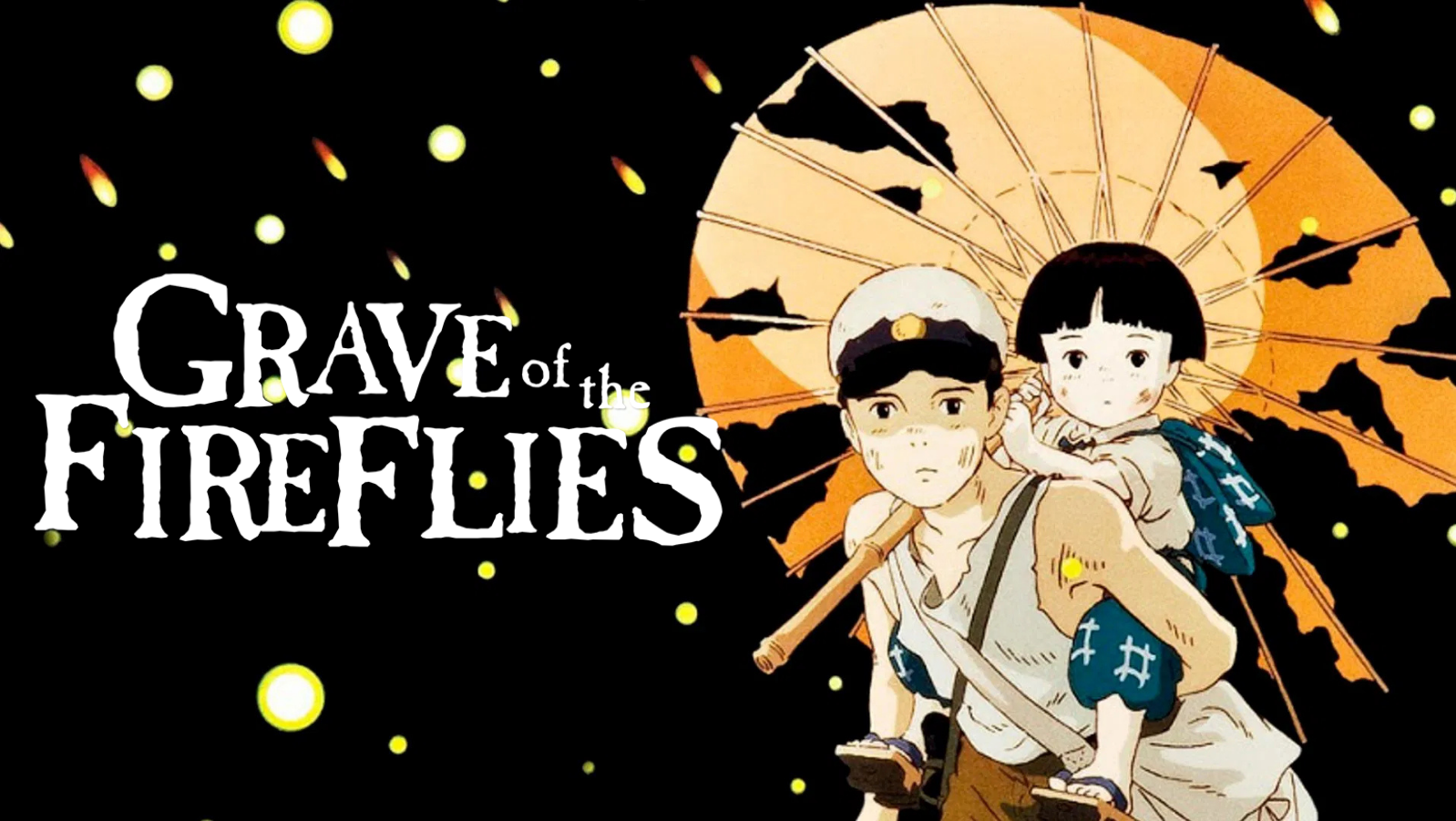
Few films in the history of cinema are as emotionally devastating as Grave of the Fireflies. It’s a movie so sad you can only watch it once. I recently rewatched it after many, many years and immediately regretted it.
Directed by Isao Takahata and produced by Studio Ghibli, this 1988 animated masterpiece is often praised not only for its artistry but for its brutal, unrelenting portrait of what war does to ordinary people. Where many war films linger on battles, heroism, or political intrigue, this one stays with the quiet personal tragedies that unfold far from the front lines.
The Devastating Humanity of War
The film tells the story of Seita and his younger sister Setsuko, two siblings trying to survive in Japan during the final months of World War II. It wastes no time revealing its hand: Seita dies. Setsuko dies. From the opening we know their fates are sealed, yet the journey toward that inevitable end is what makes the film so crushing. The story is not about whether they will live. It is about how they suffer on the way to their deaths.
By putting children at the center, Takahata strips away the romanticism often found in war movies. There is no glory, no grand speech, no victory. Just two kids caught in circumstances far beyond their control. The war itself becomes faceless, shown not through combat but through hunger, neglect, sickness, loneliness, and hope leaking away a little at a time. A huge historical catastrophe becomes painfully small and human.
That intimacy is sharpened by the film’s raw realism. Nobody is coming to save them. There is no miracle, no softened landing. They scavenge for food. Adults brush them off. They waste away, and the film watches it happen with a quiet, almost unbearable patience. It never swells the music to tell you when to cry. The sadness arrives on its own, naturally and mercilessly, and you are left to sit with it: the horror, the loneliness, and the desperate unfairness of it all.
Setsuko: The Heartbreak Personified
Setsuko is, perhaps, the emotional core of the film’s sorrow. Her innocence, confusion, and childlike resilience in the face of unimaginable hardship make her one of the most heartbreaking characters ever put on screen. She does not fully understand why the world is collapsing around her: why her mother is gone, why there is no food, why her brother grows distant and angry. That lack of understanding makes it worse. The contrast between her playfulness and wonder and the grimness that swallows those moments is almost unbearable.
The scene where Seita finds her hallucinating, burying marbles as if they were rice balls, is one of the most soul-shattering moments in cinema. It is a portrait of pure, senseless tragedy.
No Villains, Only Indifference
Unlike many films that provide clear antagonists, Grave of the Fireflies presents a world where the greatest villain is indifference. The adults who turn Seita and Setsuko away are not monsters. They are simply too broken, too consumed by their own survival, and unable or unwilling to care. The tragedy does not come from cruelty so much as from neglect and apathy, which is arguably even more painful.
That is also what gives the story a chilling universality. The story is not just about wartime Japan. It is about what happens when societies fracture, when people are left to fend for themselves, and when children are forgotten. The film insists on the silent casualties history often skips: civilians, especially the young.
The Unforgettable Aftermath
Grave of the Fireflies does not offer catharsis. There is no last-minute rescue, no redemption, no comforting glimmer of hope. The viewer is left in the rubble with Seita and Setsuko, grappling with the senseless loss. Then comes the ending: their spirits watching a modern, bustling city that has long since moved on. Life continued, but not for them.
That refusal to comfort you is what sets the film apart. It does not aim to make you feel better, and it is not interested in a lesson you can carry with you. It simply holds up a mirror to the true cost of war, especially for the people least able to survive it.
Grave of the Fireflies is not merely sad because it shows tragedy. It is sad because it shows truth: an unflinching meditation about suffering, about love that is not enough, about endurance that still loses. It is a reminder that the greatest casualties of war are often the ones whose stories are never told. Once you have seen it, it does not leave. It lingers not only as a cinematic achievement but as a quiet, painful echo of all the real Setsukos and Seitas the world has lost.